Published on November 5, 2018, updated on August 8, 2026 with current prices and details.
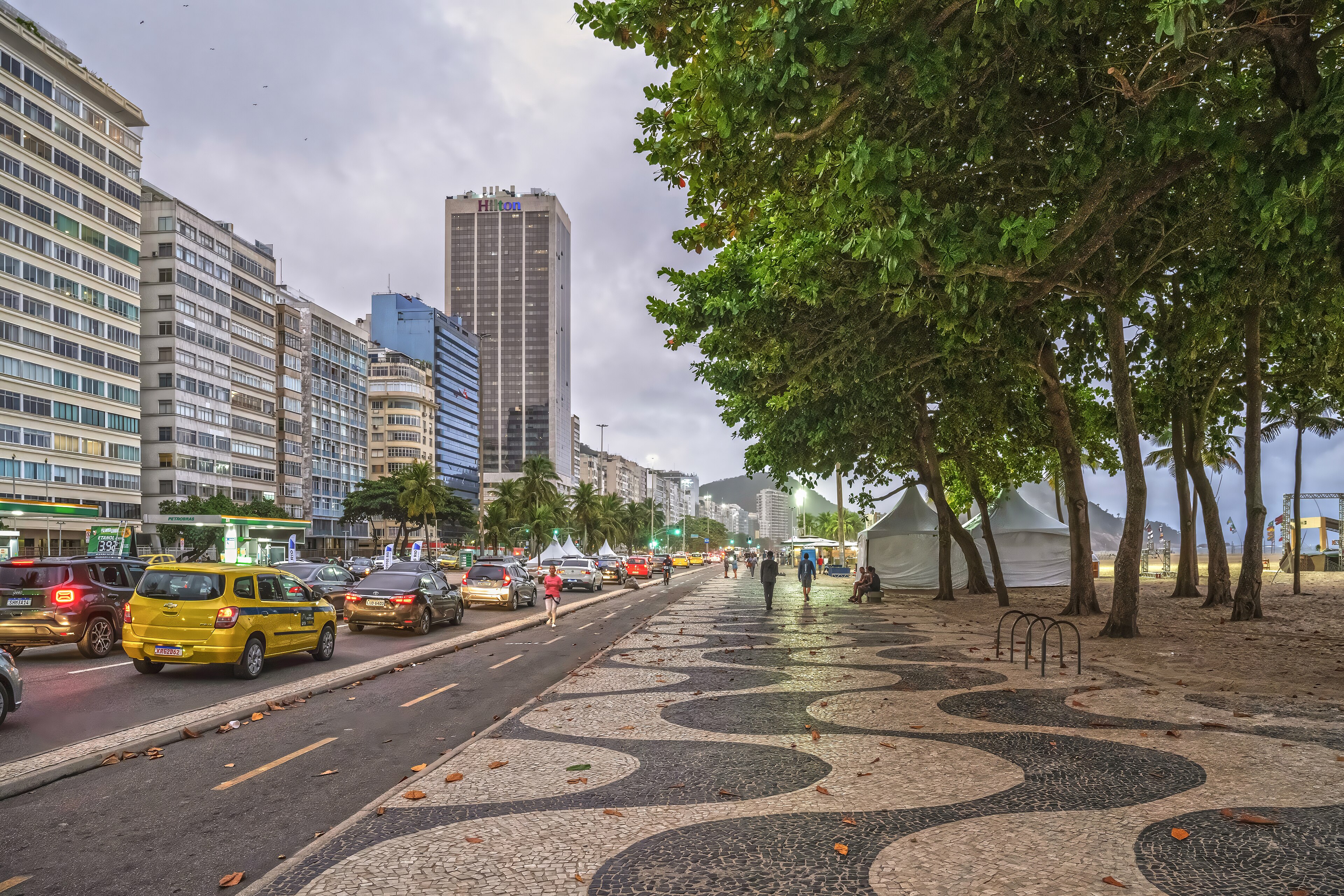
What most tourists who come to Rio de Janeiro do not know is that Rio is also a state, not just a city. The city of Rio has a huge amount to offer, but the social structure and the social status of Rio and of the Brazilians that tourists get to meet are almost completely identical to the structure we are used to back home. To tell the truth, most tourists, even the fiercest backpackers, experience Rio de Janeiro, Brazil and the trip in general in a fairly European way...
Broadly speaking you can say this about Rio de Janeiro in particular, because outside the city there are stunning virgin forests full of animals, waterfalls with mineral water, fruit and ancient structures from the days of the Tupi and the Guarani, the two largest tribes that lived in the South American region, who were wiped out by the Europeans, and alternative communities that are looking for solutions to the problems man created the moment he started living the way he does...
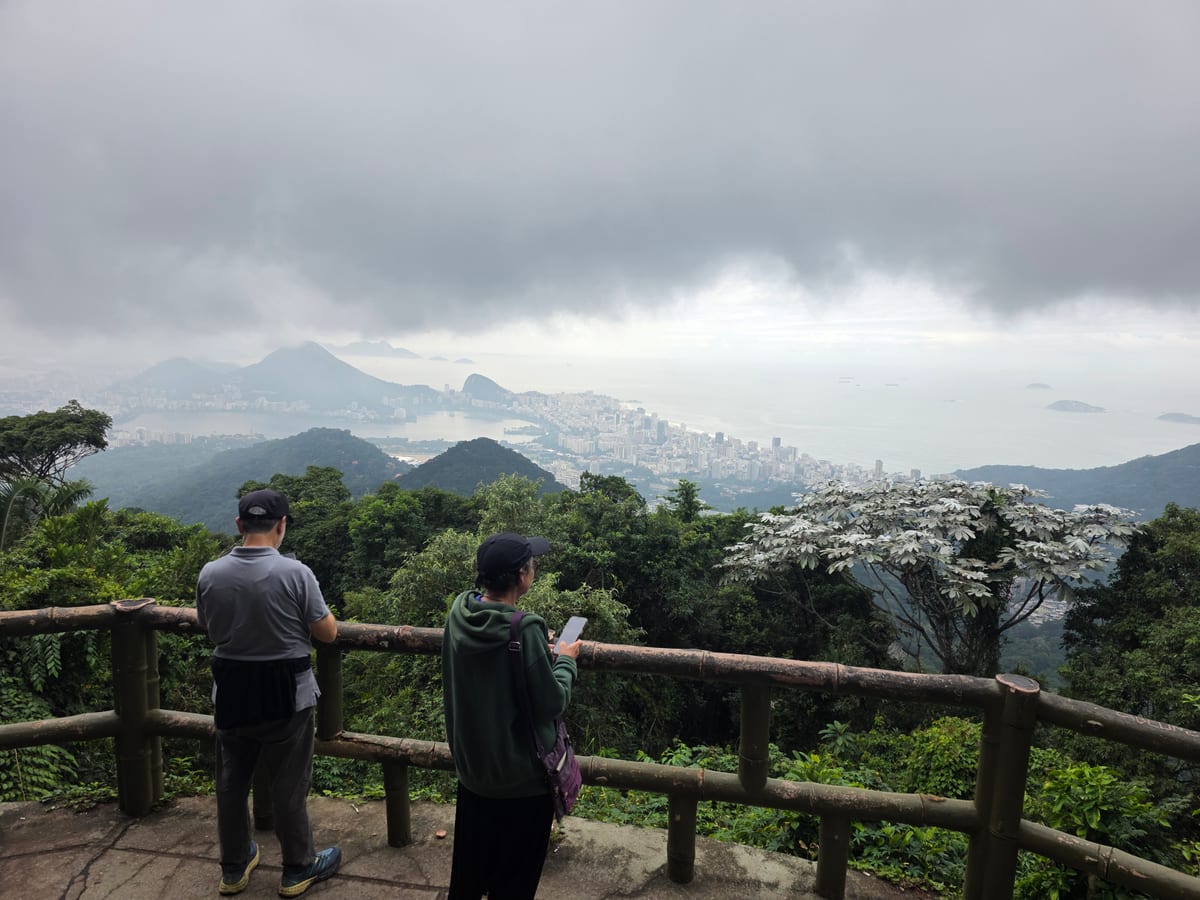
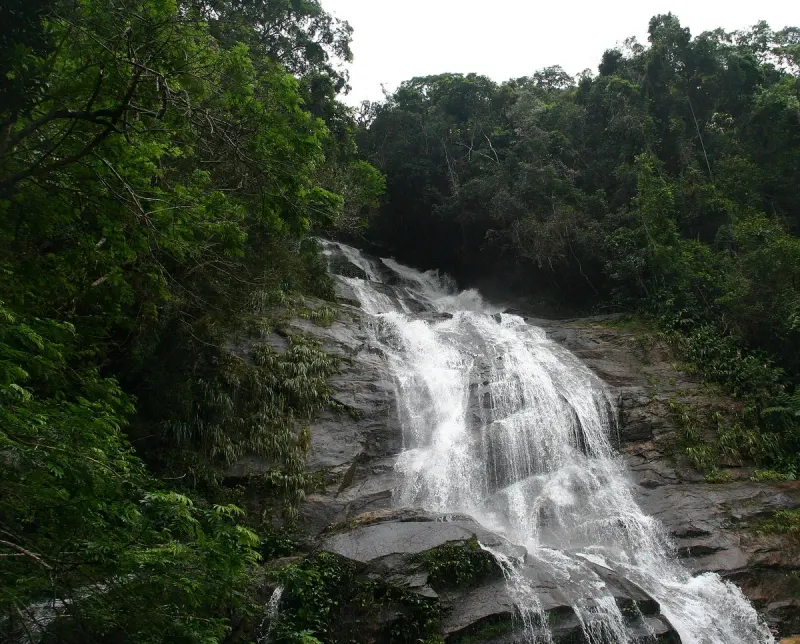
Tijuca Forest
Inside the city of Rio de Janeiro we find the largest urban forest in the world... Tijuca forest (there is a dedicated article about it), and inside it you can feel a little of the escape from the city, but again, a European escape.... Loads of tourists and agency vehicles, and everything costs money... You can step out of the tourist zone of Copacabana a bit and get to know stunning places and real people, and spend far less money... So as you have understood, or not, I am going to tell you mainly about places tourists have hardly ever reached, and those are mainly the more natural and preserved ones. For anyone who loves nature and experiences, it is perfect. You will not find hotels in these places (pousadas and camping at most).
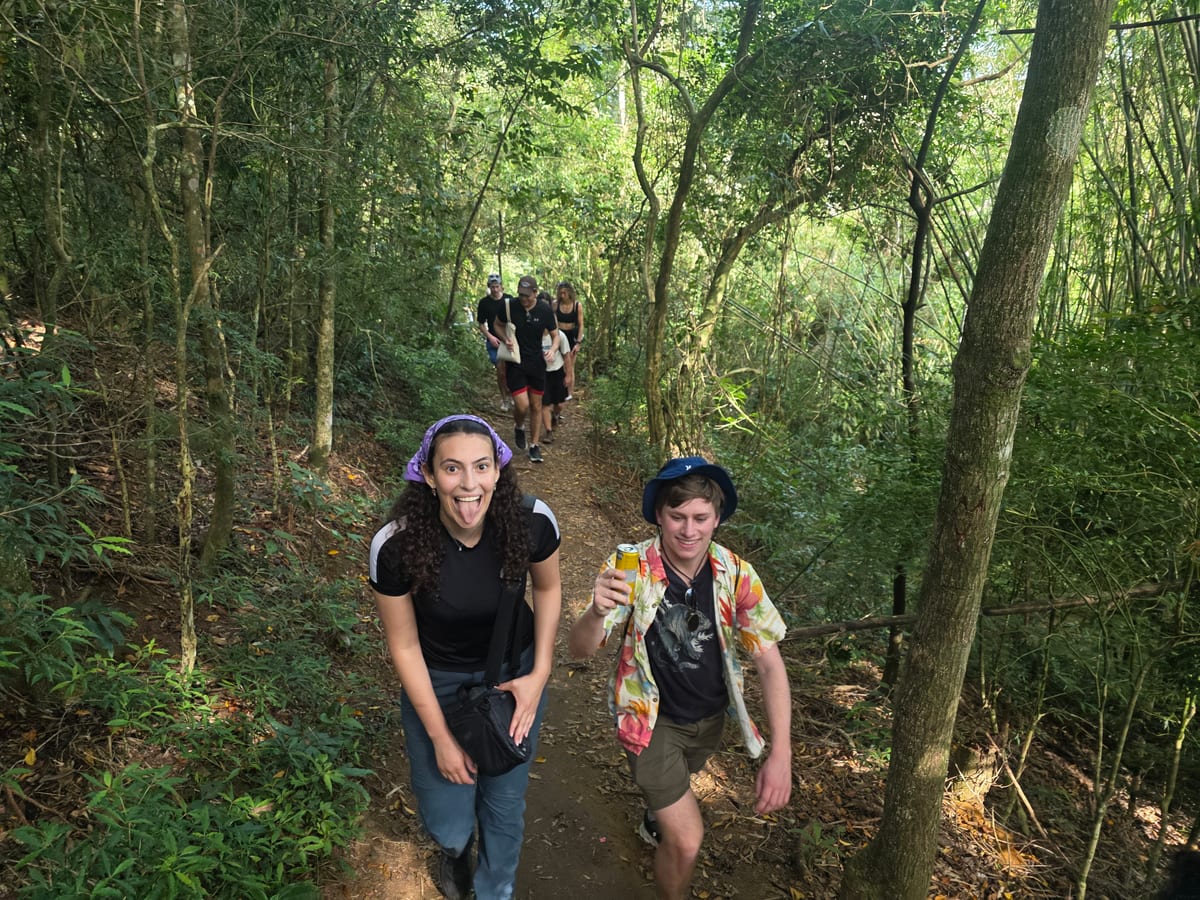
Believe it or not, the places in question are far safer than any tourist area, for simple reasons. The first is that all the criminals are concentrated in the tourist area, because that is where the money is. The second is that in these places the people are simple and want to live in peace. The existential essence of these people is life, not money...
SANA
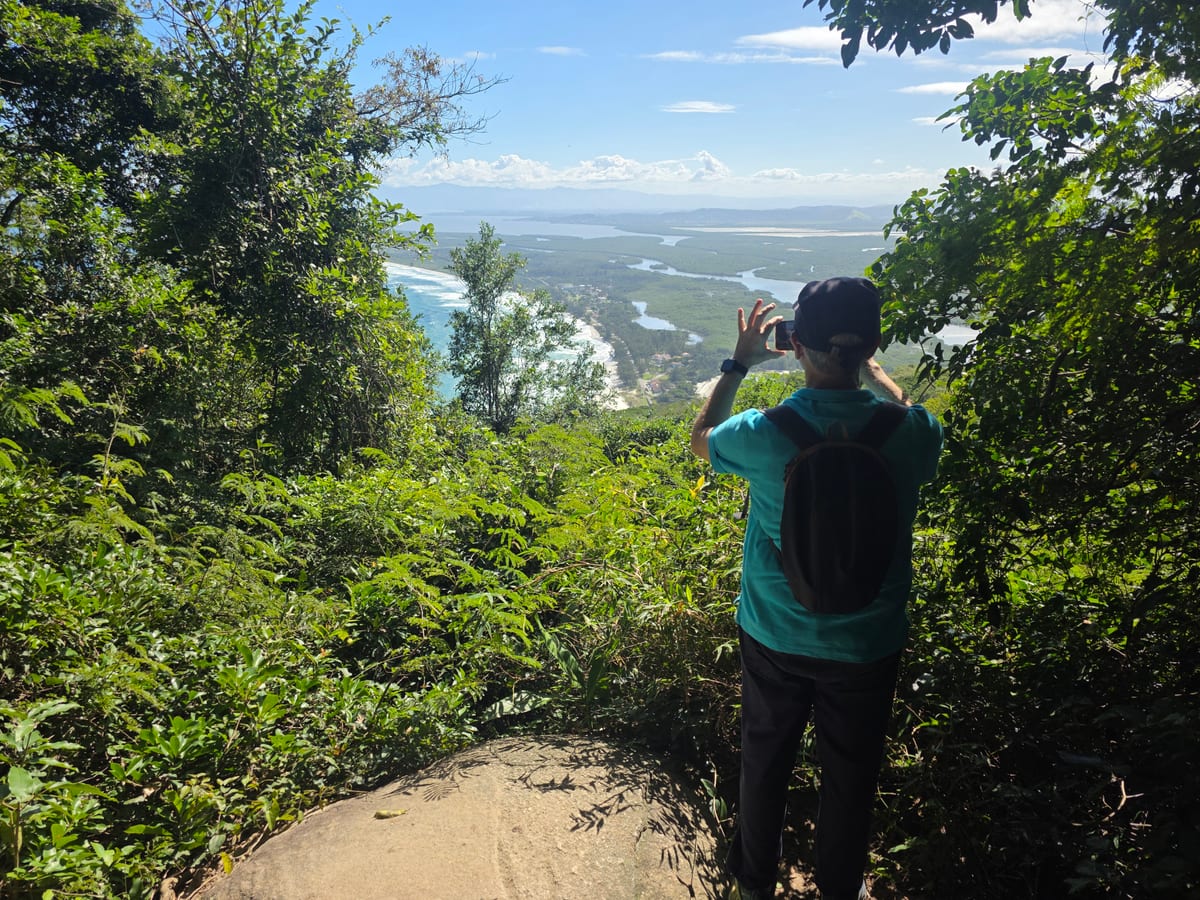
The first option is SANA, which sits 3 to 4 hours from Rio's central bus station. To get there you need to take a bus to a town called Casimiro de Abreu. You can take a regular bus or alternative transport (a shared taxi), which runs more frequently. On the way, tell the driver that you want to reach SANA, because he will drop you off in Casimiro at the point where people head up into the forest. From the point where he leaves you, take another alternative ride, usually a kombi (an old Volkswagen), or, for the brave among you, you can always try hitchhiking, since in this area people are used to hitchhikers. (Another example of the feeling of the real Brazil.) In SANA you will find plenty of waterfalls and stunning natural spots.
Within this first option several more are already included, because the area you will arrive at is full of tiny towns in the middle of the forest. SANA is the biggest of them and the most touristy. Except that international tourists almost never get there. Places like these are reserved for domestic tourism... You can also arrange horseback trips, even a trip of several days from town to town inside the forest.
The Coast: Cabo Frio and Arraial do Cabo
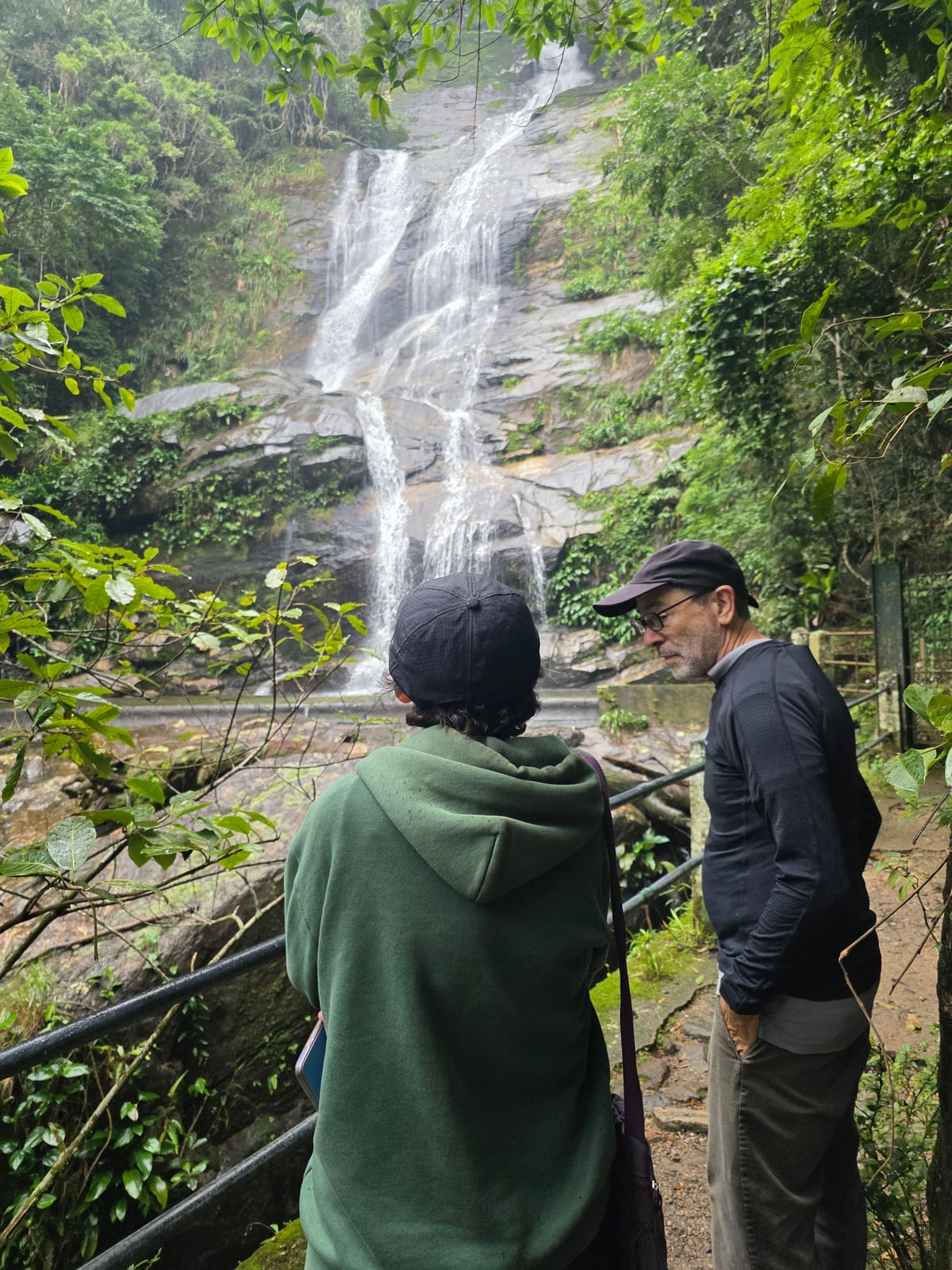
From this mountain area you can head down to the coastal region closest to you. Something like an hour and a half to two hours in the direction of the famous Buzios. Buzios really is beautiful, but everything is very expensive and the beaches are dirty because of a lack of awareness among the local people. Of course the tourists make a mess too, but if the locals took care of it, it would not happen. Between us, the locals in Buzios, or at least most of them, only want to know how much you are spending... There are places close to Buzios that are far less known and far better preserved, where a simple family-run pousada with breakfast included still goes for something in the region of R$150 to R$300 a night for two outside the summer high season, and that is a fraction of what the same night costs in Buzios. Prices climb steeply from late December through Carnival, so travel either side of that if you can. For anyone who still wants to reach Buzios, you can stay in one of the nearby and stunning places around it: Cabo Frio, Arraial do Cabo, Sao Pedro da Aldeia, Marica and Rio das Ostras.
Maua Mountain and Maromba
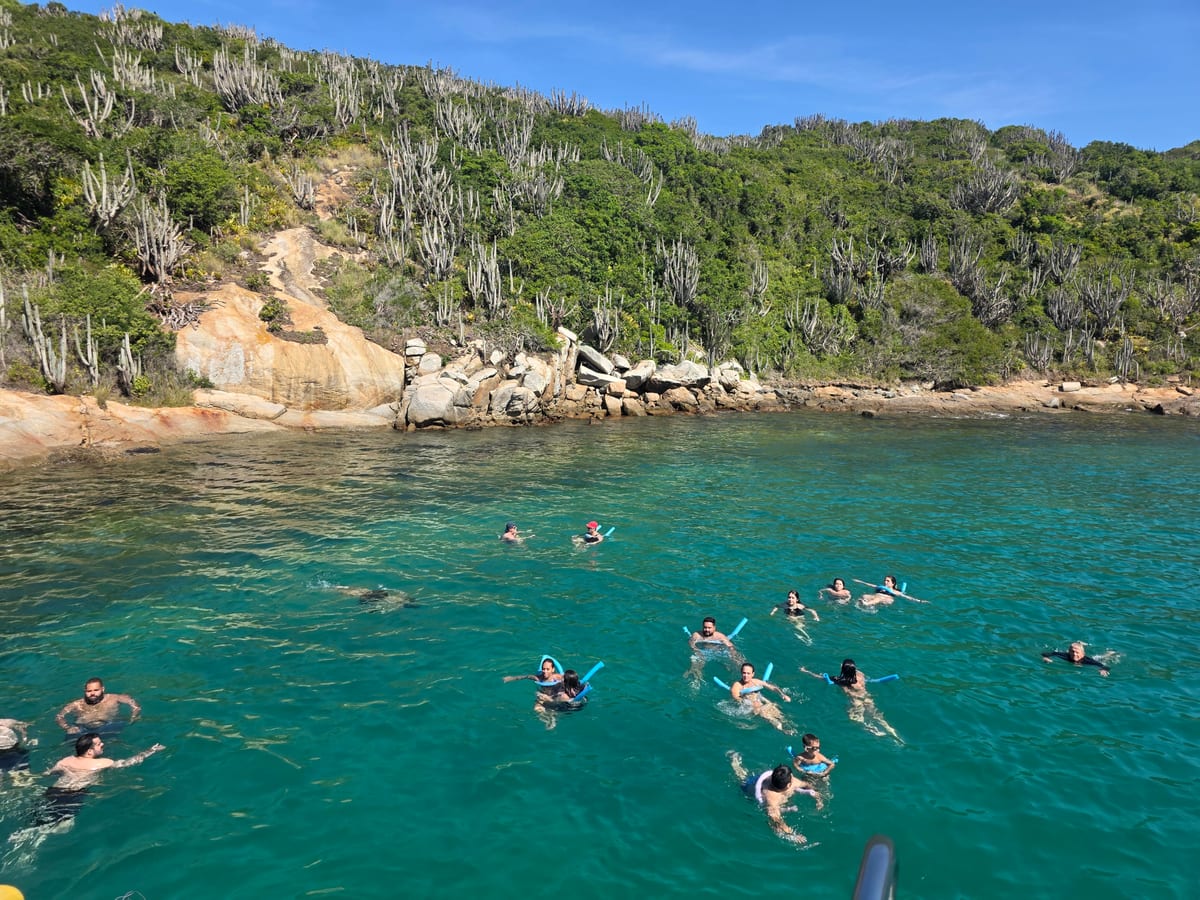
For anyone coming to Rio from the south (the Sao Paulo direction), it is worth stopping before you reach the city in a town called Resende and heading up to the Maua mountain. On the Maua mountain there are many small communities of simple people who are not used to seeing international tourists, and their interest in you will be great. It is very nice for anyone who enjoys communicating with locals, and then you can connect with them and experience the local culture together with them. During the day most of them work the land and make handicrafts. In this area the place I recommend most is Maromba. In Maromba there are many, many waterfalls and a smooth rock more than thirty meters long that the locals use like a slide.
In the video you can get a feel for the area and see the waterfall in Maromba.
First published on the Mochiler website.
By Beni Klein, an Israeli tour guide with more than 23 years in tourism, guiding travelers in Rio. Founder of the Cheap Flights in South America and Riokdim websites. Buses, shared taxis and small-town pousadas in these regions change hands and change prices constantly, so before you set off write to us on WhatsApp at +55 21 98689-5321 and we will tell you what is actually running right now.