Published on December 7, 2021, updated on August 8, 2026 with current prices and details.
Hello everyone, all over the world.
People ask me constantly what it is really like in Rio and in Brazil right now. Is it safe? Is it expensive? When should I come? What is going to surprise me? So I decided to write the article I wish somebody had handed me before my own first trip here. My name is Benny Klein from Rio de Janeiro. I have more than 23 years in tourism, guiding travelers in Rio and across Brazil, and I live here all year round. What you are about to read is the city as I see it from the street, not from a brochure.
Is Rio Safe? The Honest Answer
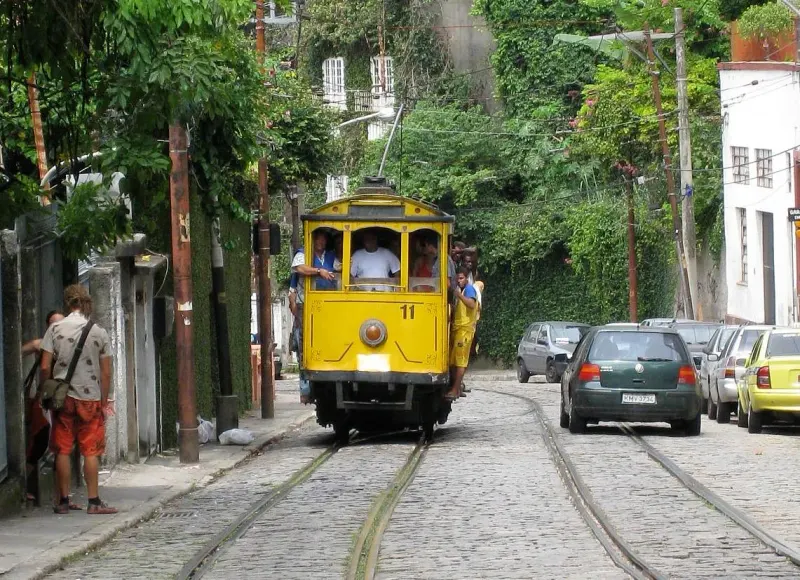
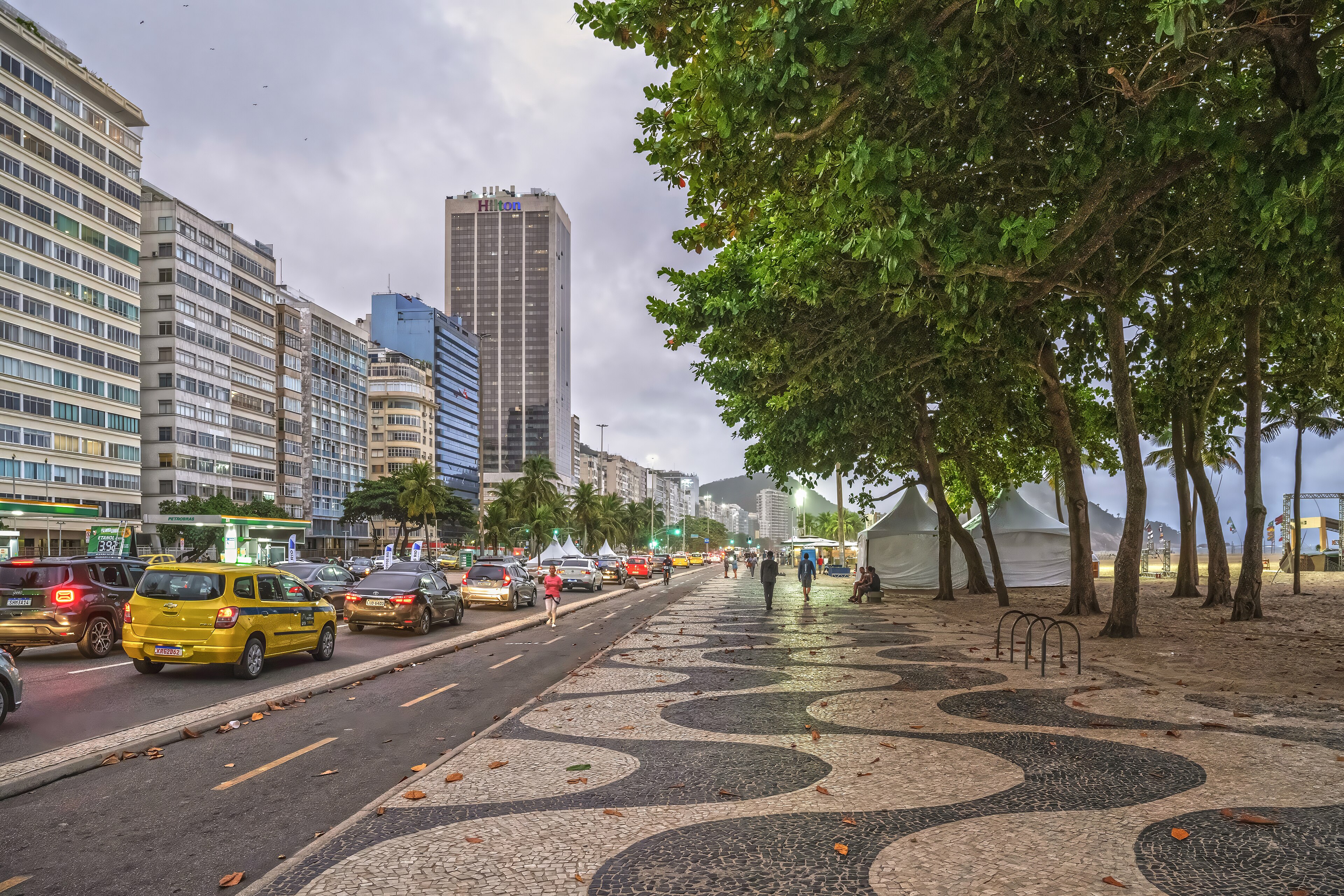
Let us start with the question everybody asks first. Rio is a huge city, and like every huge city it has real crime. But the map matters far more than the reputation. Serious violent crime is concentrated a long way from the tourist circuit, while the neighbourhoods where visitors actually spend their days, Copacabana, Ipanema, Leblon, Botafogo, Santa Teresa and Barra, are heavily policed and busy from early morning until late at night. Official state figures published for the start of 2026 showed violent deaths and property crime both falling by double digits against the same period the year before, and the city has expanded its camera network across the main transport hubs. That is the direction things are moving, and I feel it on the street.
What you should actually plan around is petty theft, and above all phone snatching. Almost every unpleasant story I hear from guests involves a phone that was out in the open on the promenade or at a bus stop. So walk with the phone in your pocket and not in your hand. Take a small amount of cash to the beach and leave passports, jewellery and the good camera in the hotel safe. At night take an Uber instead of walking down an empty street, even if it is only four blocks. Do not go into a favela on your own, ever, and if you want to see one, go with a guide who works there and knows the community.
And there is one more thing that is hard to put into a statistic. Cariocas are warm, curious and genuinely delighted to meet foreigners, and they love Israelis in particular. If you look lost, somebody will stop and help you, usually in rapid Portuguese and with a great deal of hand waving. Rio is not a city you should walk around frightened in. It is a city you should walk around awake in.

When to Come: Rio Really Has Two Seasons
Rio sits in the southern hemisphere, so everything you know is flipped. Summer runs from December to March: hot, extremely humid, temperatures that push past 40 degrees on the worst days, and a short violent downpour most afternoons that clears as fast as it arrives. This is the loudest, fullest, most Brazilian version of the city. It is also when the beaches are packed, hotels cost the most and the queues at the big sights are longest.
Winter, from June to August, is the local secret. Days sit in the middle 20s, nights drop to the middle teens, and the rain almost disappears. The sea is cold, but the sea in Rio is always cold. For touring, hiking and photographing the city these are the best months of the year, and flights and hotels are noticeably kinder to your budget.
If you want the compromise, come in the shoulder months, from September to November or in April and May. Warm but not brutal, dry, and the city is not fighting itself for space. My honest recommendation for a first trip that is mostly about seeing Rio rather than lying on the sand: anywhere between May and October. If your trip is built around Carnival or the New Year, then obviously you come when the party is and you accept the crowds as part of the deal.

What a Day in Rio Actually Costs
Brazil is not the bargain destination it was a decade ago, but it is still very good value against Europe or Israel, especially where food is concerned. A generous lunch at a per-kilo restaurant, where you fill a plate at the buffet and pay by weight, is one of the best deals in the country. A sit-down meal in a normal neighbourhood restaurant tends to land somewhere between R$20 and R$80 per person, depending entirely on where you sit and what you drink.
On the beach, expect a cold beer or a fresh coconut somewhere in the range of R$8 to R$15, a caipirinha anywhere from R$15 to R$50 depending on the beach and the size of the glass, and an acai bowl in the region of R$15 to R$25. A chair and umbrella from a barraca will cost you a few tens of R$ for the day. All of these move with the season and with which stretch of sand you are standing on, so treat them as orientation and not as a price list.
The headline attractions are where the money really goes. Christ the Redeemer and Sugarloaf each come to well over R$100 per person once you include the transport up, and their prices are revised regularly. Because those figures change more often than I can keep an article updated, the honest thing to do is simply to ask. Send me a message on WhatsApp at +55 21 98689-5321 and I will tell you what everything costs this week, including what our own day tours cost and what is already included in them.
Getting Around the City
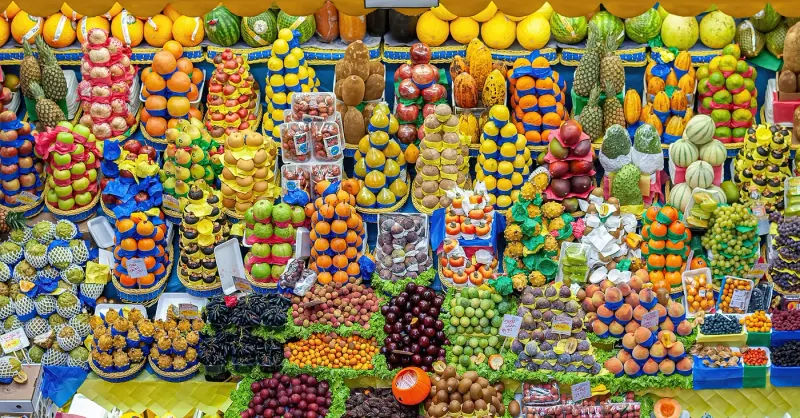
The metro is clean, air conditioned, safe and genuinely useful, because it runs right along the spine of the tourist area from Ipanema through Copacabana and Botafogo into the centre. A single ride is R$7.90. You can tap a contactless Visa or Mastercard straight on the turnstile, which is by far the easiest thing for a visitor to do.
Buses are a different story now. Rio's municipal buses stopped accepting cash in the middle of 2026. You board with a Jaé transit card, which you buy from a machine inside a metro, BRT or VLT station and top up in the app, or you scan a Pix QR code at the validator. Contactless bank cards are being rolled out on the validators as well. A ride is R$5. If nobody warns you about this you will end up standing in the doorway with a banknote in your hand and nowhere to put it, which is exactly the moment I would like to spare you.
Uber and 99 both work well in Rio and are the default for most visitors, especially after dark. Rides inside the south zone are usually cheap by European standards. Between the beaches you can also use the bike share, the orange Bike Itaú bikes sitting in racks all over the south zone, and there is a dedicated bike path running the entire length of the seafront. For that you need the Bike Itaú app and a working data connection on the street, so sort out a SIM or an eSIM before you land.
How You Pay for Things in Brazil
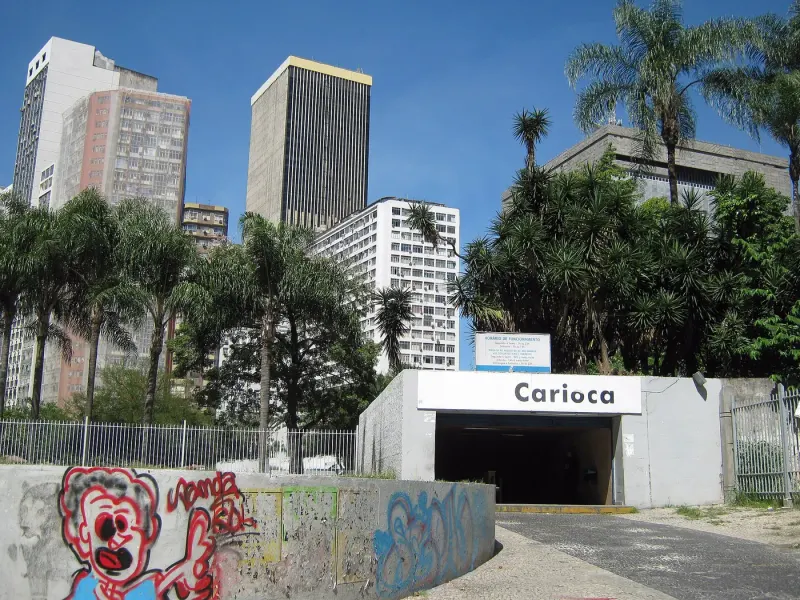
Brazil is one of the most digitally advanced countries in the world when it comes to payments, and this genuinely surprises people. Visa and Mastercard are accepted almost everywhere, from a serious restaurant down to a kiosk on the promenade. Contactless cards and phone wallets are completely normal. American Express is far less useful here, so do not make it your only card.
Pix, the instant transfer system, is what Brazilians themselves use for absolutely everything. It is worth understanding even as a visitor, because a fair number of beach kiosks, small markets and family-run guesthouses will take Pix happily and a foreign card reluctantly.
Even so, carry some cash. The vendors walking the sand, the man renting you a chair, the ticket window at the fort and a great deal of small street food are all cash situations. A modest amount of R$ in your pocket, drawn from a machine inside a bank branch or a shopping centre rather than one standing on the street, covers everything.

What Surprises Israeli Travellers
The water is cold. Everybody is shocked by this. A cold current runs past the coast, so the sea in Rio is nothing like the warm Mediterranean, and it is often at its coldest in the middle of summer. It passes after a few minutes in the water, and it is worth it.
Brazil speaks Portuguese, not Spanish, and outside the hotels and the tourist trade very few people speak English. Nobody here minds this in the slightest. People will talk to you at length in Portuguese regardless, and somehow it works out. Learn bom dia, obrigado and quanto custa and you will be treated like family.
The distances are unreasonable. Brazil is a continent pretending to be a country. Israelis routinely try to fit Rio, Iguazu, the Amazon and Salvador into ten days and then discover that each of those is a flight of several hours from the last. Choose fewer places and see them properly. That single decision improves more trips than any other advice I give.
You do not need a visa. Israeli passport holders enter Brazil for tourism for up to 90 days without one. Bring a passport valid well beyond your trip, keep a couple of blank pages in it and be ready to show a return ticket.
Restaurants add roughly 10 percent service to the bill. It is not legally compulsory, but it is the norm and people do pay it. It is not the same thing as leaving a tip on top, so do not do both by accident.
And then the thing nobody prepares you for: how much of life here happens outdoors and in public. People exercise on the sand at six in the morning, drink standing on the pavement outside a bar, and applaud the sunset from the Arpoador rock every single evening. Join in. That, more than any monument, is the actual attraction.

Carnival, Réveillon and the Big Celebrations
Two dates dominate the Rio calendar. The New Year, Réveillon, is the biggest of them all: the city dresses in white, Copacabana beach hosts an enormous public celebration with stages and fireworks over the water, and every hotel, club and bar throws its own ball, with the one at the Copacabana Palace considered the grandest of the lot. Book accommodation and any ticketed party many months in advance, because prices climb steeply as the date approaches and minimum-stay rules apply almost everywhere in the south zone.
Carnival falls in February or early March depending on the year, and it is far bigger than the parade you have seen on television. The competition of the top samba schools takes place at the Sambadrome over the main nights, and around it the entire city pours into the street with hundreds of official blocos plus countless unofficial ones in squares, on the sand and anywhere a group of friends decides to set up speakers. Carnival in Rio is effectively ten days of celebration: one official week when nobody is working, plus the weekends either side.
Every bloco plays a different style, from old-school samba to brass-band Beatles covers to full electronic sound trucks, so it is worth looking a few of them up on YouTube before you commit an afternoon. The city publishes the official bloco map each year and there are apps that show you what is playing nearest to where you are standing. For the general background on how Carnival actually works, I wrote a separate article called Carnival in Brazil: Not What You Thought.
If you are planning a trip around either of these, talk to me early. Both dates sell the city out.

Rio, the Most Visited Destination on the Continent
Rio de Janeiro is the most visited destination on the continent and one of the most sought-after destinations in the world, with amazing beaches, some of the most famous sightseeing spots anywhere and extraordinary places to visit, plenty of nature and plenty of culture.
There is Rio the city, which is about 70 percent of the size of the state of Israel, and Rio the state, which is roughly 2.5 times the size of Israel. Both the city and the state hold gorgeous places to discover. I wrote about recommended and lesser-known spots in the article "Trips in Rio State" for anyone who wants to dive deeper. Feel free to consult with me. I am in Rio all year round, living and breathing the reality here, and after more than 23 years in tourism, guiding travelers in this city I would be very happy to show it to you and explain what is really going on.
I wish for all of us to know how to appreciate the opportunity to live, to be healthy and to celebrate life in a respectful and mindful way. May we travel and live more consciously, respect nature and those different from us, and when there is a chance to meet the different, use that meeting to learn and to teach the good things that they and we have to offer. All the best! Benny Klein.