Published on March 23, 2020, updated on August 8, 2026 with current prices and details.
Rio de Janeiro is full of attractions, but of all of them the beach is probably the first place you will want to see. If you are staying in Copacabana, Ipanema or Leblon, the beach will be a short walk from your hotel or hostel. If you are in Botafogo, Santa Teresa or any other neighborhood in the area, the metro, a bus or an Uber will get you there quickly. Here we tell you about every beach, what makes it special, and details that only locals know. Besides that, at the end of the article you will find a beach shopping dictionary with all the important words in Portuguese and with realistic price ranges. Beach prices move constantly, with the season, with the beach and sometimes with the vendor's mood, so treat the numbers here as orientation rather than as a fixed tariff. At least nobody will be able to confuse you.
As always, if you enjoyed the article or visited one of the places mentioned in it, share your experience with us at the bottom of the page and/or share on social media.
General Information About the Beaches in Rio
Beach culture is very strong in Rio. The Cariocas, the residents of Rio, like to say that the beach is the most democratic place in the city. And indeed, here you can find every layer of Rio's population. Young and old, poor and rich, heavy and thin, everyone flocks to the beach in summer. On weekends the metro and buses fill up with thousands of Brazilians coming to the beach from the suburbs, the roads parallel to the beach close to car traffic on Sundays and become a huge pedestrian boulevard where thousands of people wander from side to side.
The Cariocas love taking care of their bodies and doing sports. On the beaches you will see many people playing volleyball, beach paddleball, running and more. It is fun to watch the keepy-uppy circles (Altinho) that the young people play by the water, the footvolley games (Futevolei), and the absolute control Brazilians have over the ball. After that you will understand why Brazil is the number one exporter of footballers in the world.
The beaches in Rio are divided according to the numbers on the lifeguard stations, the posto in Portuguese, starting with Posto 1 at Leme beach and ending with Posto 11 at Leblon beach. Besides being an observation point over the sea for the lifeguards, the postos are useful mainly if you need the bathroom while at the beach and do not feel like getting into the water and getting wet. Go to the bathrooms at the nearest posto, where you will also find showers. They charge a small fee, usually a couple of R$ and cash only, so keep a few coins in your bag. Not the cleanest and tidiest, but better than nothing.
A Bike Ride to the Beach
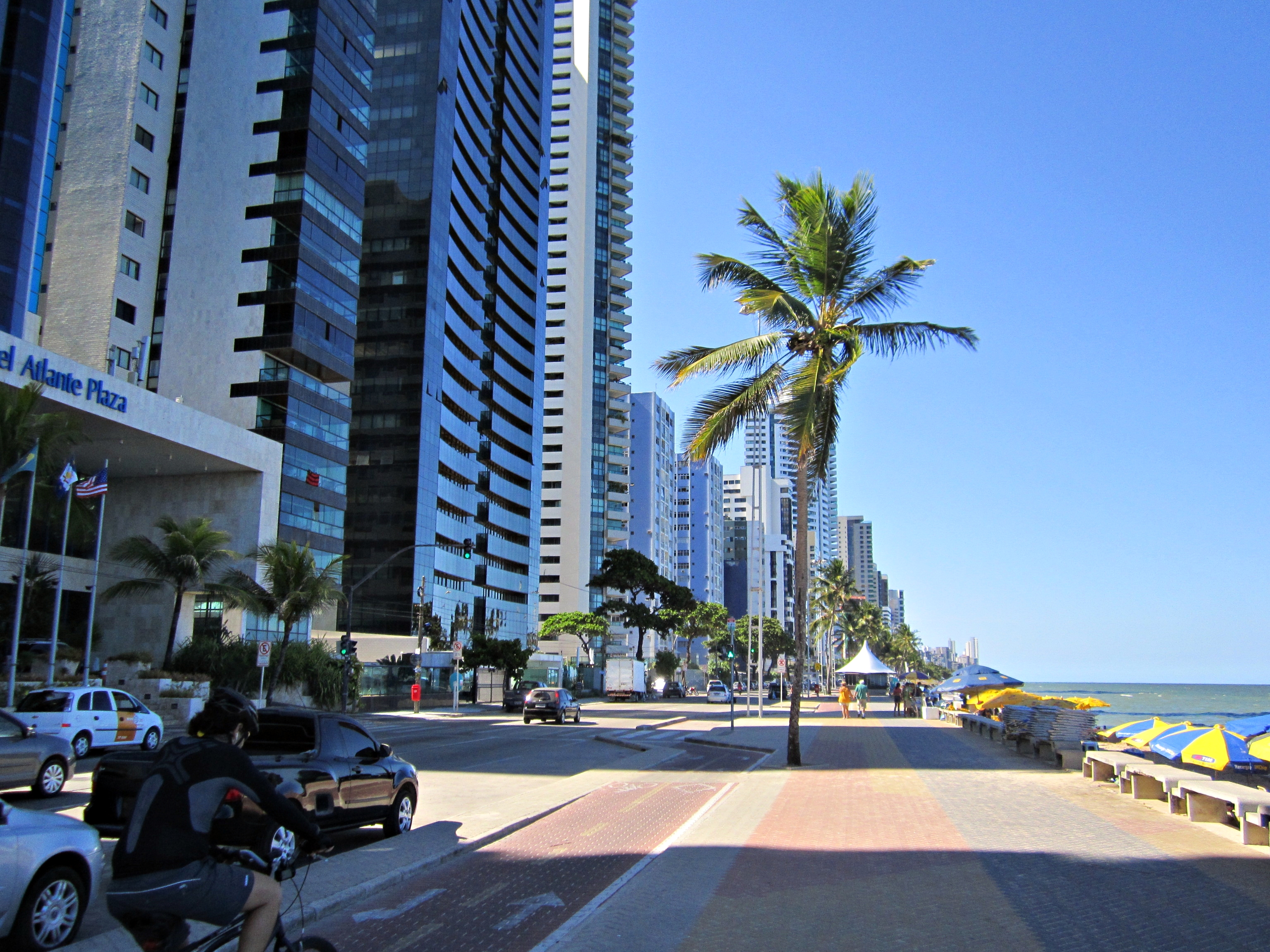
A bike path runs along all the beaches in Rio, so in principle, if you feel like it, you can pedal along all the beaches from north to south. Simply take one of the orange bikes from a station and set off. The system is called Bike Itaú, it is run by Tembici together with the bank, and everything happens through the Bike Itaú app: you register, you choose a plan and you release the bike from the rack with your phone. That means you need a working data connection on the street.
The bike stations are spread around the city and also opposite the main beaches, so it is worth taking a pair in front of your hotel or hostel, pedaling to one of the beaches and returning the bikes there. A single ride costs under R$10 and covers a short trip, and there are multi-day and monthly passes that work out much cheaper if you plan to ride every day. Electric bikes are in the system too and cost extra per minute. The exact prices change from season to season, so check the current plans in the app before you commit.
Renting a Chair and Umbrella at the Beach
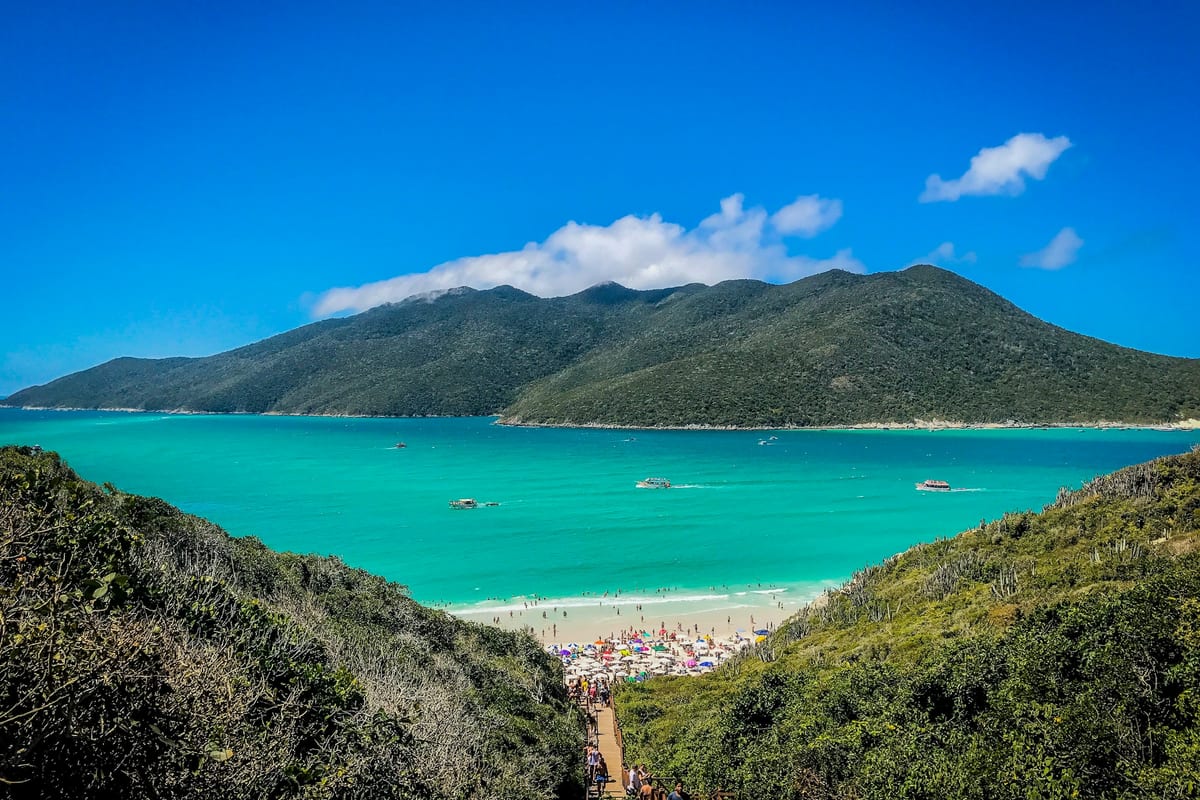
Along the beach, on the side away from the water, you will find stands called Barracas that will rent you beach chairs and umbrellas. Prices vary a great deal by beach, by season and by how far south along the sand you are: a chair typically runs from around R$10 up to about R$25 in high summer on the busiest stretches, and an umbrella somewhere from around R$15 up to R$40. On a quiet weekday you may well pay less than that, and on a January Sunday in front of Posto 9 you will pay the top of the range. These stands will also sell you beer, soft drinks, coconut water and even caipirinha. When you arrive at the beach, if you pass by such a stand someone will already ask you if you want a chair and umbrella. Explain what you want and confirm the price before closing the deal, because that one question saves every argument later. He will bring the equipment to wherever you sit and open a tab for you at the stand, to which you can add drinks if you like. On your way out of the beach, stop by the stand and settle the bill. We definitely recommend renting at least an umbrella. The sun on Rio's beaches is brutal and the temperature can climb past 40 degrees in summer.
Many bathers use a canga instead of a chair. It is a kind of large, colorful piece of cloth that you spread on the sand to sit on. You can buy a canga on the sidewalk along the beach from the hippie vendors who also sell bracelets and handicrafts. There is no fixed price and there never has been: it depends on the size, the fabric and how well you negotiate, so ask two or three sellers before you buy. It is still one of the cheapest and best souvenirs you can take home from Rio.
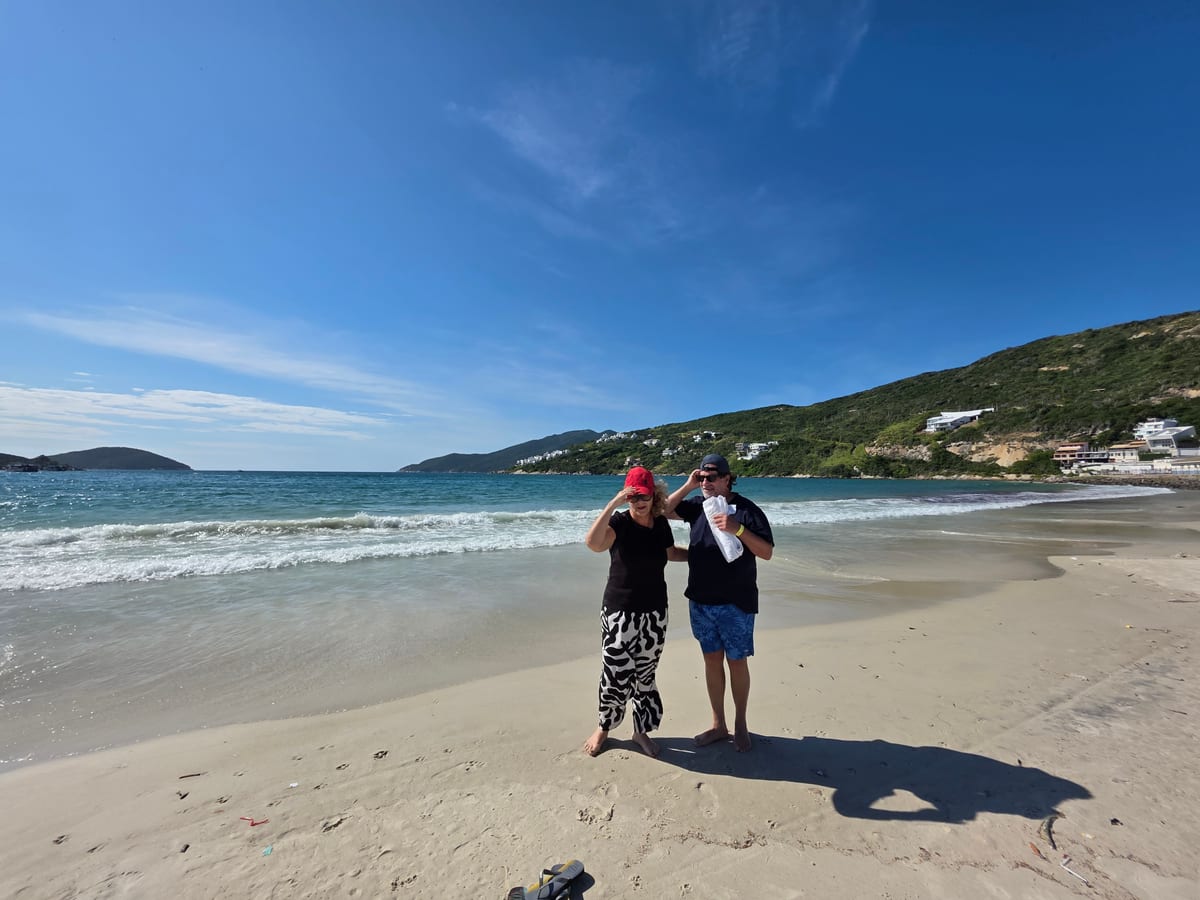
Beach Vendors
Hundreds and even thousands of vendors roam Rio's beaches, happy to sell you anything you can think of, from beer, coconut water and acai to sunglasses and cigarettes. On the one hand it is very convenient because you do not have to get up from your chair. On the other hand it can be annoying at times. Since you are tourists, the beach vendors will try a little harder than usual to sell you something. If you avoid eye contact and ignore them, they will leave you alone very quickly.
Some vendors are real beach celebrities. Each of them has his own way of shouting and announcing his goods in order to sell more, and over time they have become beach icons of sorts. The vast majority come from the favelas behind the neighborhoods or from the Rocinha favela, and their livelihood depends on the weather.

How Is the Water?
The water temperature at the beaches of Rio de Janeiro is lower than the warm Mediterranean, and it gets even colder in summer. This happens because a current passes in front of the coast that cools the water considerably. So prepare to freeze.
Attention! There are rip currents on Rio's beaches, so swim carefully! If the sea is very wavy, do not go in!!! The waves and the undertow can be very dangerous. During the summer months a helicopter regularly patrols along the coast looking for people drowning. It is not a rare thing to see a rope dangling from the helicopter to help those in trouble.
The beaches in the tourist area, from north to south, are the following.

Leme Beach
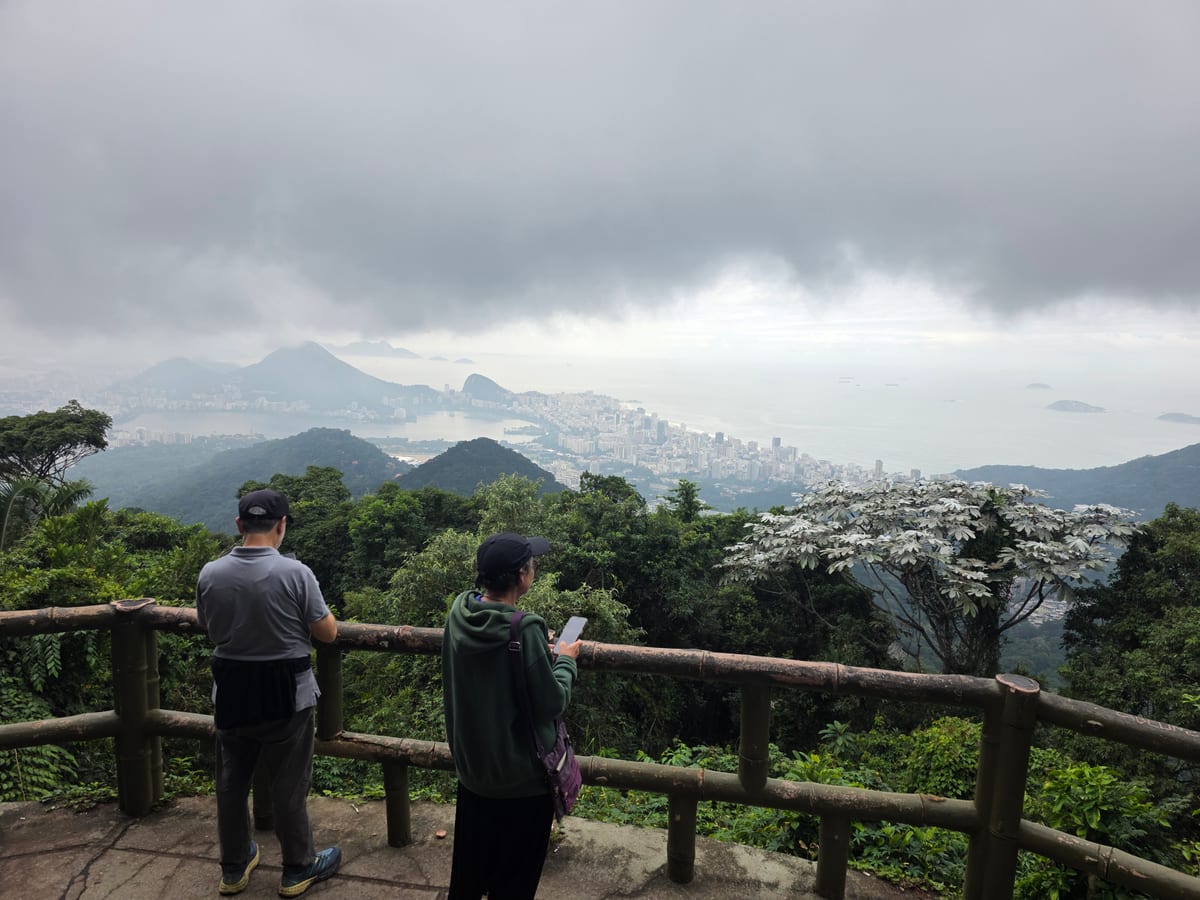
The northernmost beach on the coastal strip. What makes this beach special is that it is a dead-end beach: its northern edge borders the Leme Fort, which you can climb to on foot during the hours it is open to the public and enjoy a beautiful view of all the beaches. The water here is calmer in terms of waves (especially in the area near the fort). At the end of the beach you will find a nice promenade carved into the rock, from which the locals jump into the water. Local fishermen fish from the promenade and it is an excellent viewpoint for the sunset. Leme beach attracts more Brazilians, residents of the neighborhood and of the nearby favela, Chapeu Mangueira, than tourists.
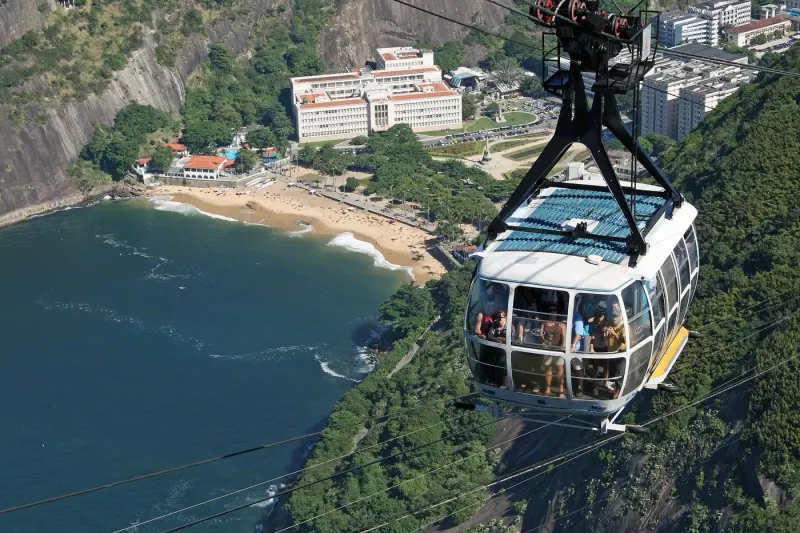
Restaurants at Leme Beach
Across the road there are several decent restaurants. If you are already at Leme beach and feel like lunch in the middle of your beach day, each of the following restaurants is within a 10 minute walk. One general warning before the list: opening hours in Rio drift around, especially between summer and winter, so give the place a quick check on Google or a phone call before you walk over wet and hungry.
Seafood restaurant (Marius Degustare): works mostly with tourists (not cheap). Honestly we have not tried it, but if you go, tell us how it was in the comments below. Address: Av. Atlantica, 290, Copacabana. Opening hours: every day from 12:30 until midnight.
Italian restaurant (La Fiorentina): a restaurant that is an institution among Rio's in-crowd, serving the same corner since the 1950s. The restaurant sponsors many artists and is full of pictures of famous Brazilians who ate there. The house dish is spaghetti with seafood. Address: Av. Atlantica, 458 A, Copacabana. Opening hours: opens late morning, around 11:30, and in the classic Carioca way it closes when the last customer leaves, so it is a good late option.
Vegetarian and vegan restaurant (Gaia Art & Cafe): a small, pleasant bistro that doubles as a space for art and cultural events. Mainly healthy food in a Brazilian style, with organic and gluten free options. They also serve breakfast. Here you can eat whole-wheat cookies and drink good coffee. Address: R. Gustavo Sampaio, 323, Loja A, Leme. Opening hours: roughly midday to late evening Tuesday to Saturday and mornings through to late afternoon on Sunday, closed on Mondays. This is one of the places whose hours genuinely shift, so call ahead.
A French-run restaurant with varied dishes (Salome Bistro Leme): a highly recommended restaurant with a range of dishes in a modern style, sea view included. Everything is tasty here. Burrata, octopus, squid and seared tuna are what people order. Run by French friends living in the city. In the evenings the place is usually packed and you need to book a table. Not expensive and not cheap. Address: Av. Atlantica, 994, loja b, Leme. Opening hours: from midday until the early hours Friday to Sunday, evenings only from around 18:00 the rest of the week, closed on Mondays.
Copacabana Beach
One of the most famous beaches in the world stretches 4 km from Leme beach in the north to the Copacabana Fort in the south (which you can also visit if you like). The promenade runs along the beach, with small restaurants on it. Copacabana beach is very long, and its crowd is a mix of neighborhood residents, Brazilian tourists and foreign tourists staying in the neighborhood. On weekends the beach fills with Brazilians from the suburbs arriving by metro, and sometimes it is hard to even see the sand.
Along the beach (like the other beaches) you can find stand-up paddle rental stations, concentrated at the calm southern end near Posto 6. Reckon on around R$50 for an hour on the water, more on a summer weekend when there is a queue and less on a quiet weekday, and the better operators throw in storage for your things, sunscreen and drinking water. If the sea is calm it is definitely worth renting one and seeing the beach and the favelas behind it from a different angle.
In addition to the lifeguard stations, at Copacabana beach there are bathrooms and showers underneath the kiosks on the sidewalks. Here too there is a small charge to use them, in cash.
At the end of the calendar year, Copacabana beach hosts the city's main New Year's Eve celebration, with giant stages, live performances, fireworks and millions of happy Brazilians.
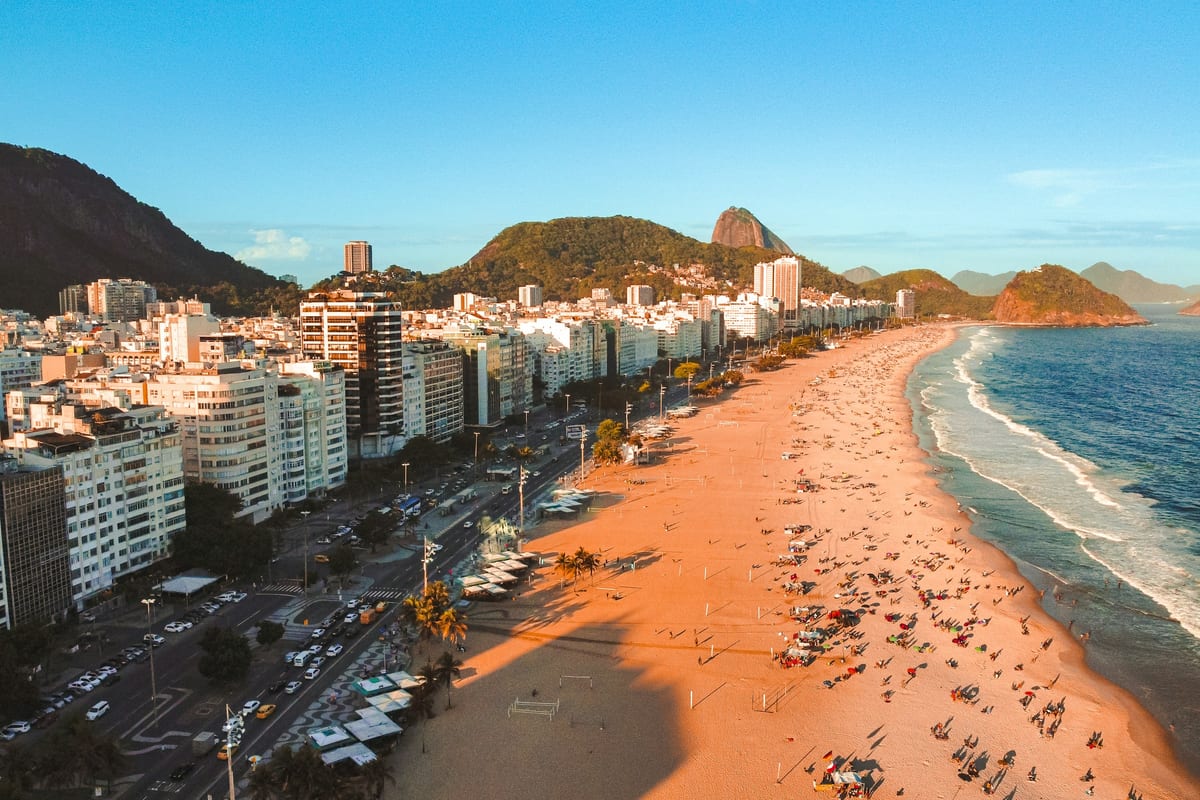
Restaurants at Copacabana Beach
Along Copacabana beach there are dozens of restaurants, almost all of them very similar to one another, with nice food but nothing you will remember by the time you get home (unless you get food poisoning, heaven forbid!). We found it fitting to tell you about only one of them, relevant to us as travelers from the Middle East.
Middle Eastern restaurant (Restaurante Arab): not exactly like back home, but here you can find hummus, pitas and other familiar dishes like stuffed vegetables and labneh. There is a buffet at lunch and an a la carte menu in the evening, and we recommend ordering the mix with all sorts of small dishes. Do not expect a Middle Eastern restaurant like in Israel, but it is worth knowing about if you miss familiar food. Two evenings a week they put on a belly dancing show, which the neighbourhood adores and which is worth asking about when you book. Address: Av. Atlantica, 1936, Copacabana. Opening hours: from 9:00 until midnight Tuesday to Sunday, and evenings only on Mondays from around 17:00.
Devil's Beach and Arpoador Beach
Two small beaches located on the northern side of Ipanema beach, between Copacabana and Ipanema. Arpoador Rock is a giant rock with a wonderful view of the Ipanema sunset. To the left of the rock is Devil's Beach (Praia do Diabo), a tiny beach (about a hundred meters) where the water is usually rough. Mostly young people and surfers come here. Arpoador Beach (Praia do Arpoador) is on the right side of the rock, longer (a few hundred meters), and it continues into Ipanema beach. On weekdays this beach is visited mainly by Brazilians and it is not as full as the other beaches. On weekends the beach fills with favela residents and is usually very, very crowded.
These two beaches are the only ones on the coastal strip that do not border a road, so they are a bit quieter. There is a nice pedestrian walkway with one restaurant facing them. At Arpoador beach you can also find stand-up paddle rental.
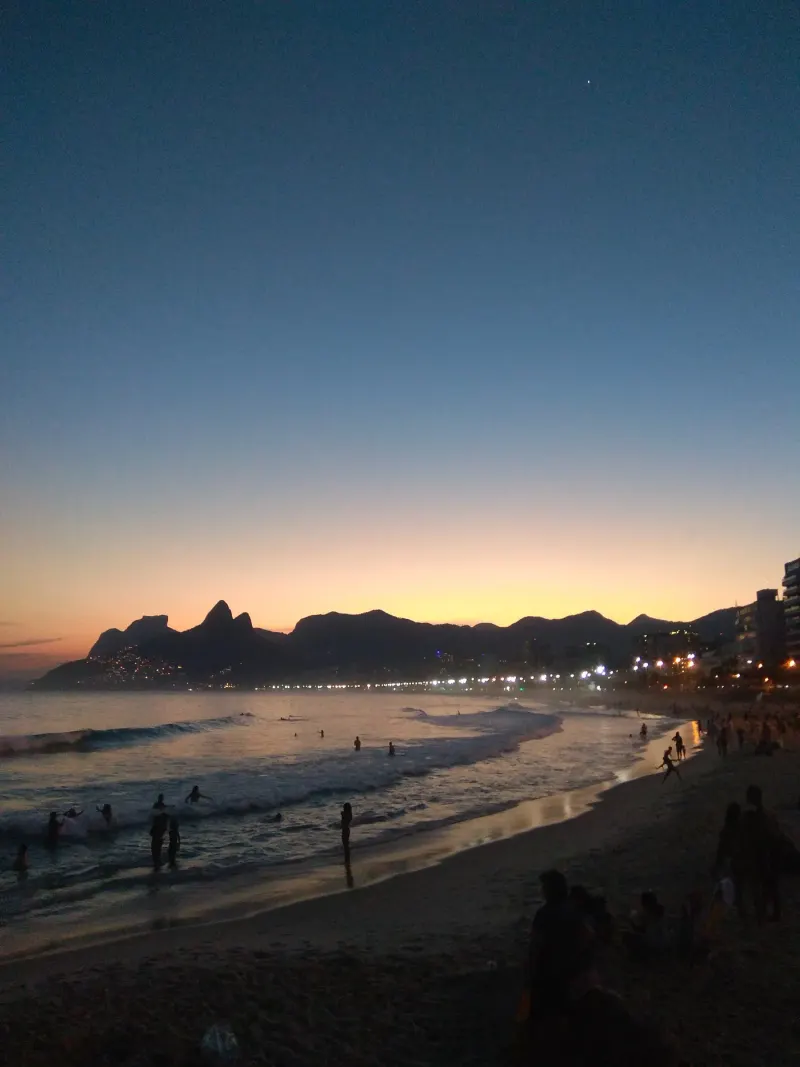
Ipanema Beach
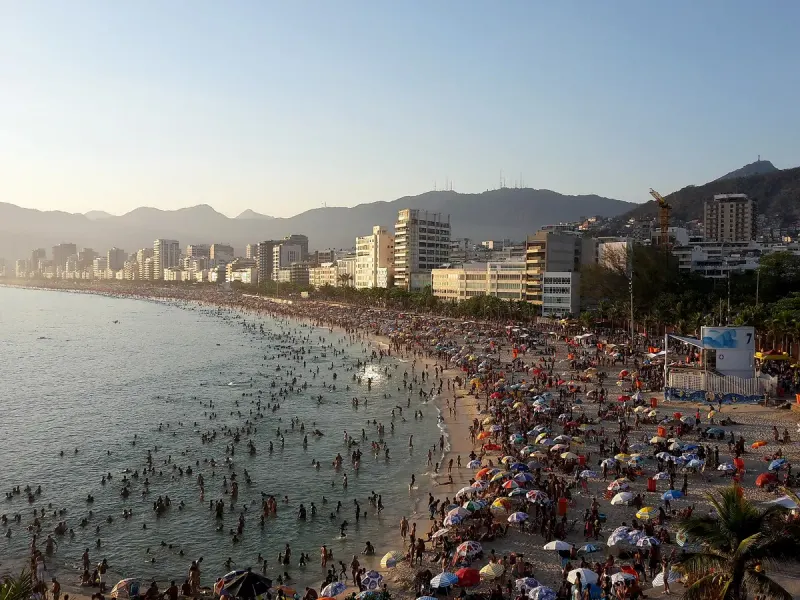
Like Copacabana, Ipanema beach also enjoys world fame (perhaps because of the song The Girl from Ipanema by Tom Jobim). The crowd on the beach is divided by posto numbers. Members of the LGBTQ community sunbathe between Posto 8 and Posto 9. In front of Posto 9 you will usually find the young and beautiful of the middle and upper classes, and in front of Posto 10 the slightly older crowd, where the beach is emptier and calmer on weekends.
Here there are no real restaurants in the first row of buildings facing the sea, but there are kiosks on the sidewalk selling all kinds of food and drinks. If you really want a proper lunch you will need to leave the beach and go into the neighborhood.
Leblon Beach
Leblon and Ipanema are among the wealthiest neighborhoods in Rio de Janeiro, so most of the population in them and on their beaches is white European. Leblon beach is quite similar to Ipanema but tends to be emptier midweek and on weekends. At the end of the beach (south) you will find the Leblon lookout, a kind of hill touching the sea from which you can look out over the beaches of Leblon, Ipanema and Arpoador.
By the way, the further south you go along the beaches toward Leblon, you will discover that food and drink prices at the beach rise accordingly.
Beaches Further Away
We should mention that Rio has dozens more beaches outside the tourist area (mainly toward the south) that are definitely worth a visit. This is a partial list of the most special of them.
Sheraton Hotel Beach: this beach is better known as Praia do Vidigal, named after the favela facing it, and it is located about 800 meters south of the Leblon lookout. To get there you can walk from Leblon, ride a bike or take an Uber. After the Sheraton hotel you will find a large staircase that will bring you down to the beach. It is a small beach shared mainly between the favela residents and the tourists staying at the hotel. Facing the water there are several big rocks that the locals love to climb. After going down the stairs it is recommended to keep walking, past the crowd, to settle in the more touristy and quiet part.
Joatinga Beach: one of the most beautiful beaches in Rio de Janeiro. It is a bit far from Copacabana and Ipanema, so you will need an Uber (30 minutes) or a bus (line 557 from Copacabana, an hour's ride). The beach is in a private neighborhood with beautiful private houses. Here too you will need to descend from the cliff to reach the beach, but it is worth every step. The beach itself is secluded and the crowd is young, fashionable people from the surrounding neighborhoods. There is one kiosk there selling food and drinks.
Prainha Beach and Grumari Beach: two remote beaches located after the Barra neighborhood. These beaches are practically outside the city and are visited mainly by surfers or people from the area.
Beach Shopping Dictionary
Before the list, read this line twice: these are ranges, not a price list. What you pay on the sand depends on the beach, the season, the day of the week and how far south you have walked. Copacabana in July is not Leblon in January. Use these to know when something is normal and when you are being quoted a tourist number, and if you want current prices for anything we organise, message us on WhatsApp at +55 21 98689-5321.
Food and drink at the beach: Mate and iced tea (Mate), Coconut water (Agua de coco) and canned beer (cerveja) all sit in roughly the same band, around R$8 to R$15 each. Soft drinks (Refrigerante), water (Agua), sparkling water (Agua com gas) and juice (Suco) are usually at the lower end of that band. Caipirinha runs anywhere from about R$15 to R$50, depending on the beach, the size of the glass and whether it is made with cachaca or vodka. Acai in a cup with toppings tends to be around R$15 to R$25. Grilled cheese on a stick (Queijo coalho) and street skewers land around R$10 to R$20. Corn on the cob (Milho) is usually mid-teens. Esfiha and kibbeh (Esfiha, Quibi), empadas (Empada) and ice cream (Sorvete) are the cheap end of the sand.
Renting chairs and umbrellas: chair (Cadeira), roughly R$10 to R$25 for the day. Umbrella (Guarda sol), roughly R$15 to R$40. Some barracas quote a package for a couple of chairs plus an umbrella, which usually works out better. Always agree the number before the equipment is planted in the sand.
More shopping: cigarettes (Cigarros), and yes, they still sell them one at a time (Cigarro varejo). Canga, the cloth you sit on at the beach, and hammocks (Rede) have no fixed price at all: it comes down to size, quality and your bargaining, so ask several vendors and expect the first number to be the opening bid rather than the price.
RioTrip is an Israeli travel agency in Rio de Janeiro. We run day trips in the city and the area and also organize trips for private groups according to the client's request. We would be happy to help you plan your trip in Rio de Janeiro and in Brazil.