Published on December 13, 2019, updated on August 8, 2026 with current prices and details.
Brazilian cuisine is very diverse, from street food and varied stews of African and European origin to all kinds of desserts. We gathered for you the best known dishes you must taste to get to know the local culinary scene at its best. Bon appetit!
We have deliberately not put a price next to each dish. Street food prices in Brazil move with the neighborhood, the season and the year, and a number printed here would be wrong within months. What we can tell you is how each thing is normally sold and where the traps are, which is the part that does not change. If you want current prices for anything we organise, message us on WhatsApp at +55 21 98689-5321.
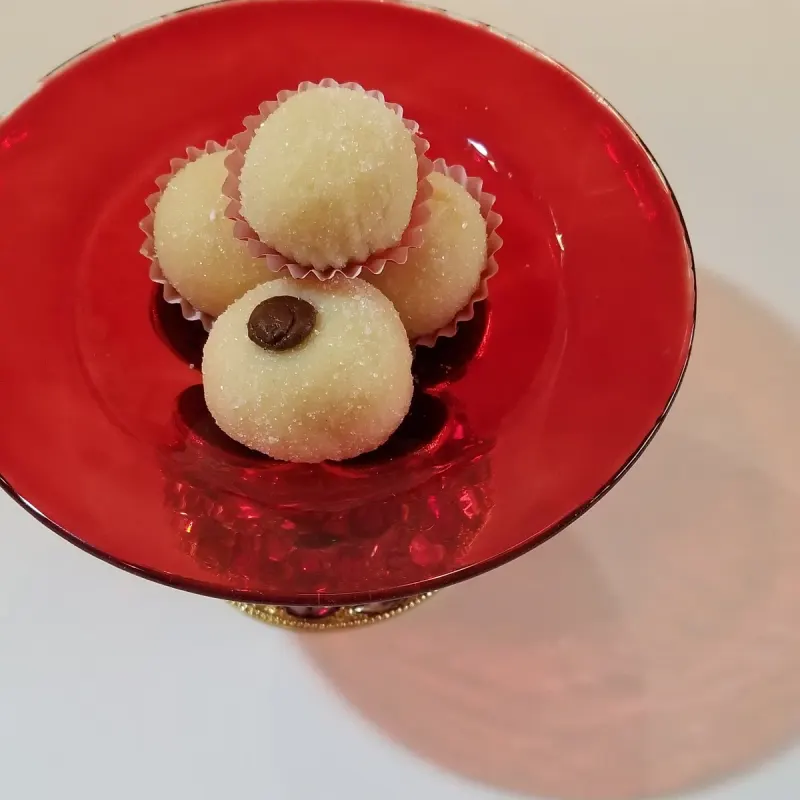
Brigadeiro
An upgrade to the classic chocolate ball we know. Very common across the country, and you can find this dessert mainly at street stands. The classic brigadeiro is made from condensed milk mixed with chocolate powder. The condensed milk gives the chocolate ball a rich, sweet flavor. There are all sorts of versions of brigadeiro with strawberry, passion fruit, nuts and so on. We warn you, one is definitely not enough.
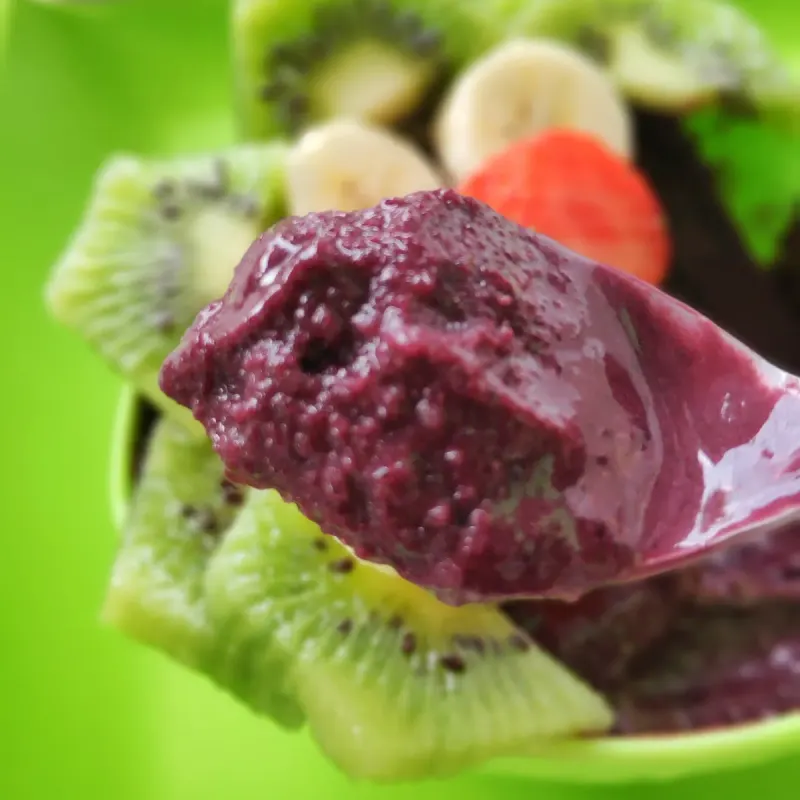
Acai
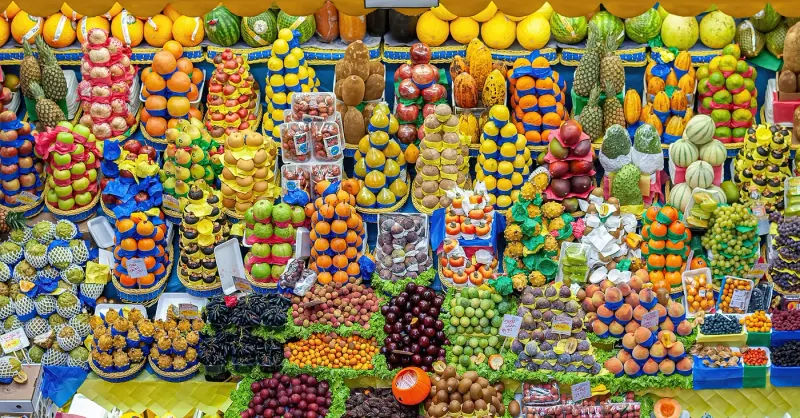
Acai is a superfood fruit that originates in the Amazon in Brazil, Peru and Colombia.
Acai is a kind of berry, about 80 percent of which is the pit. After harvesting, the acai is passed through giant sieves that separate the fruit from the pit, and it is frozen so it does not rot.
That is why we will never see the fruit in its original form unless we visit the Amazon, and that is the reason it is served as ice cream or sorbet. The frozen acai is blended with a liquid (usually guarana syrup) or with other fruits. The funny thing is that almost no one knows the original taste of acai. For that you will have to ask for a frozen chunk (the guarana syrup flavor is very sweet and dominant).
In northern Brazil acai is eaten savory, mixed with fish, rice and so on.
Across the country you will find places selling acai as sorbet with a topping of granola and sometimes banana (if you ask in advance), or shops where you can go wild with toppings to your heart's content. Two business models sit side by side and it is worth knowing which one you have walked into. In the self service places you build the cup yourself and pay by weight, and this is where tourists get a surprise at the till, because acai is heavy and a cup that looks modest can weigh a lot once you have loaded it with fruit and condensed milk. Ask for the price per kilo before you start filling and keep an eye on the scale. In the other kind you order a cup at a fixed size and a fixed price, and there the trap is that the extras, banana, granola, powdered milk and so on, are each charged on top, so ask what the base price includes. Our recommendation: acai with sliced banana and condensed milk. A delight.
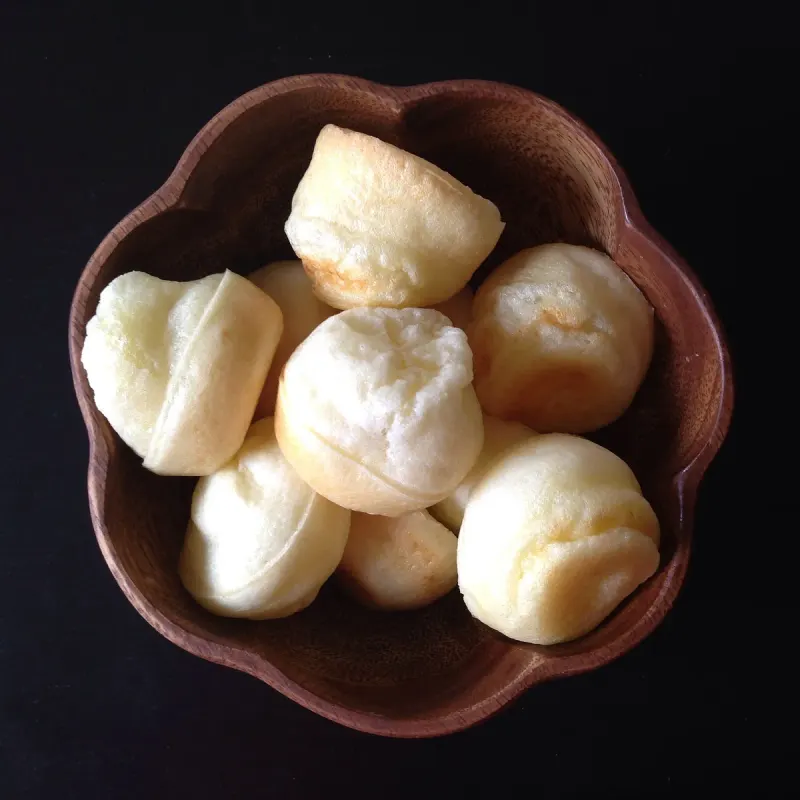
Pao de Queijo
In free translation, cheese bread. A very common street food in Brazil. You can find a wide range of street stands selling small pao de queijo (a great snack) or large ones. In some places you can even add a filling of your choice (cream cheese, meat stew, Nutella and more). For the celiacs among us: yes! It is gluten free.
This dish is made from manioc flour, the most common root in South America. Many dishes are made from it, like potatoes: boiled, fried, mashed, chips. And you can also make flour from it. In the flour-making process the starch is separated, and that is the famous tapioca (which we will detail later).
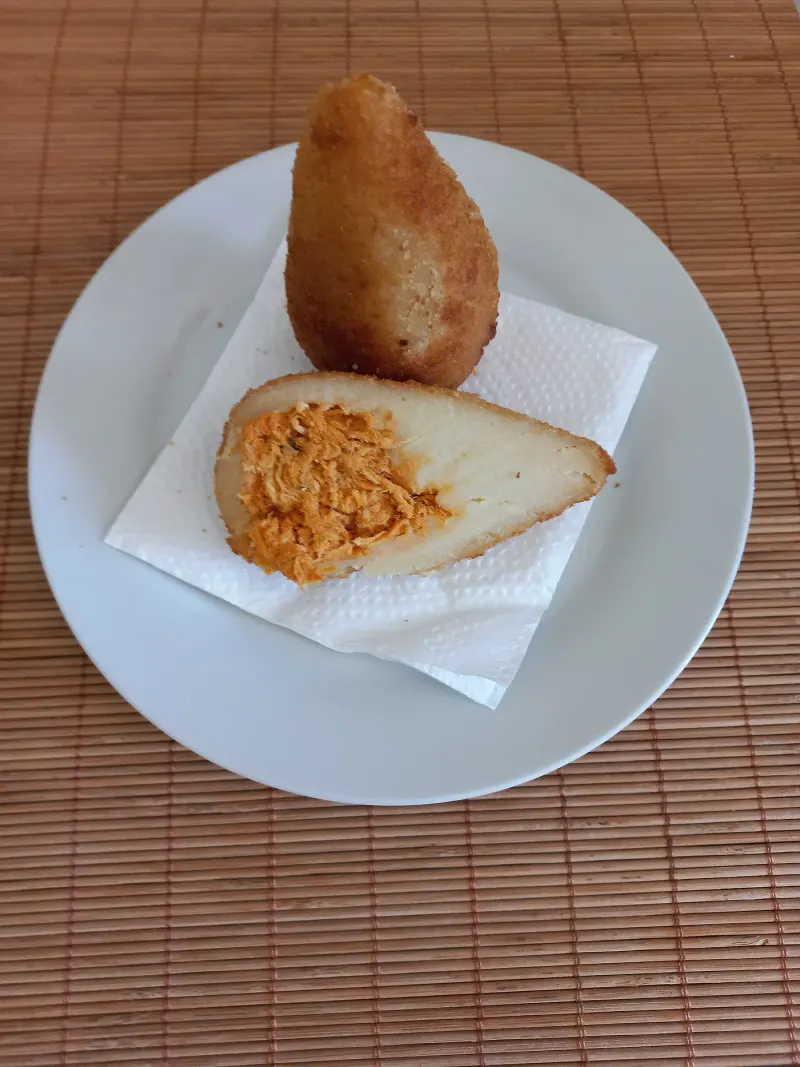
Coxinhas
In literal translation, coxinha means thigh in Portuguese. If we look at the shape of the dish it resembles a chicken thigh, and that is the origin of the name, since the original dish is always filled with chicken. These days plenty of stands and bakeries also sell versions filled with beef, with cheese, or with cheese and chicken together, and the catupiry cream cheese one is the local favorite.
The crunchiness on the outside and the soft, tasty filling on the inside completely do the job.
Farofa
One of the most symbolic dishes of the Brazilian kitchen. Farofa is actually fried, seasoned manioc flour, sometimes mixed with small fried pieces of bacon or eggs, and usually served alongside rice and beans.

Tapioca
Tapioca flour is very common in Brazil since this is where it originates. You will find many stands offering savory tapioca crepes with toppings of your choice like cheese, tomato, bacon, olives and so on, or the sweet version with Nutella, strawberries, banana and more. Tapioca is a starchy raw material produced from dried cassava (manioc) root, and it is gluten free. In Israel we know tapioca as a dessert, which here they call sagu.
In Brazil there are also tapioca cakes sold in the street, called cuzcuz de tapioca (not to be confused with couscous from back home).

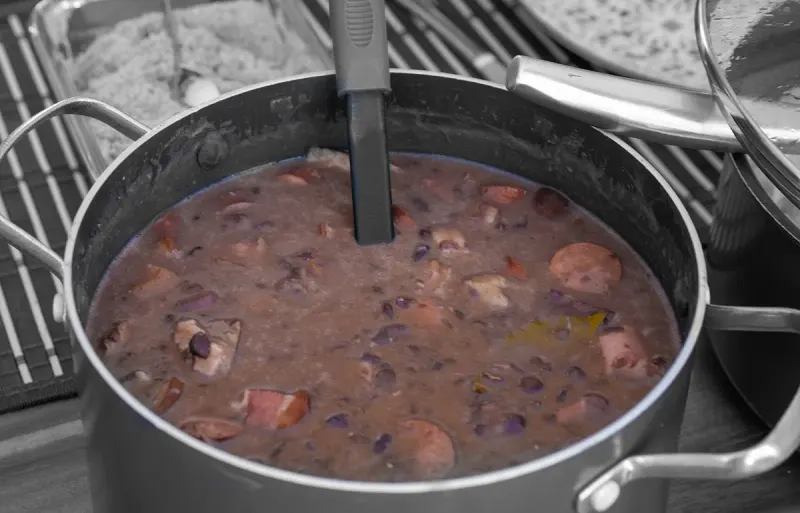
Feijoada
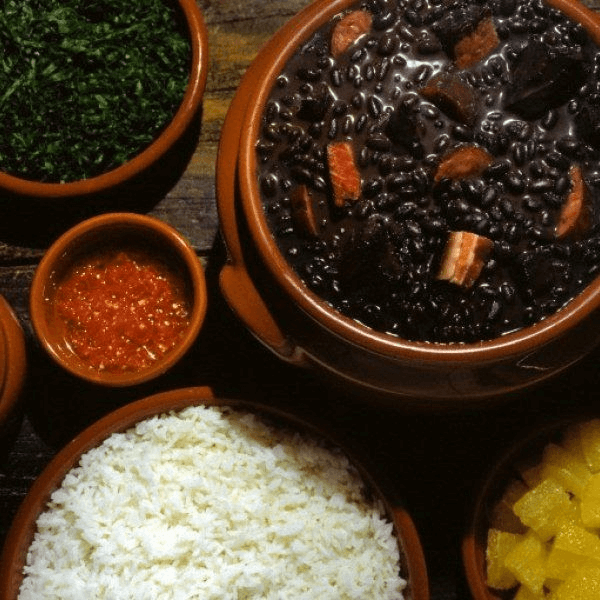
A pot stew of black beans, heavily seasoned, with pieces of meat and sausages added. It is reminiscent of hamin. The original feijoada stew was eaten by all layers of society. The rich would eat the pot with fillet cuts, while the poor made the stew with pig ears, necks and other parts. Today the stew is more refined for eating. It is served with rice and a side of farofa, and it all flows together perfectly.
There is a vegetarian black bean stew called feijao, and feijoada without pork can also be found. Bon appetit!
Pacoca
The Bamba of the Brazilians. A local sweet very reminiscent of peanut butter, and almost all Israelis say it is like our Bamba. You will find pacoca at every stand that sells sweets, in the checkout lines, and in every corner really. Very tasty and cheap.
Caipirinha
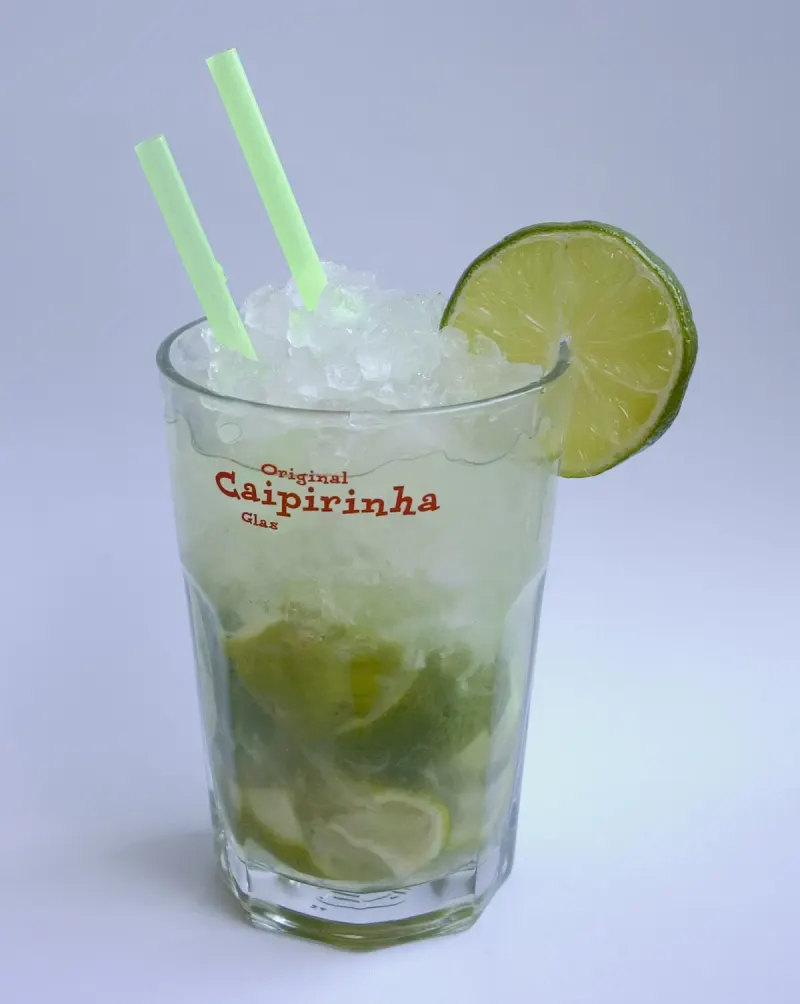
The famous local cocktail is not mentioned in the song by Static and Ben El for nothing. It is a light, refreshing cocktail made of cachaca, alcohol produced from the cachaca plant that grows in the country, lime and a lot of sugar. The caipirinha is very common, and you can enjoy it on the beach or at night at a party. Careful, because the drink is veeery sweet and strong. If you drink it too fast, the buzz will rise accordingly.
RioTrip is an Israeli travel agency in Rio de Janeiro. We run day trips in the city and the area and also organize trips for private groups according to the client's request. We would be happy to help you plan your trip in Rio de Janeiro and in Brazil.