Published on December 28, 2018, updated on August 8, 2026 with current prices and details.
An article about the option of visiting stunning places in Rio independently.
It is suitable for an independent day trip by bike, or by another means of transportation if you prefer. In the article I will explain a very easy, comfortable and fun bike route, and explain how to use the orange bikes, which are much, much cheaper than any rental bikes from the shops. Or simply use the information in the article to do things in a different way or at a different pace.
The Orange Bikes
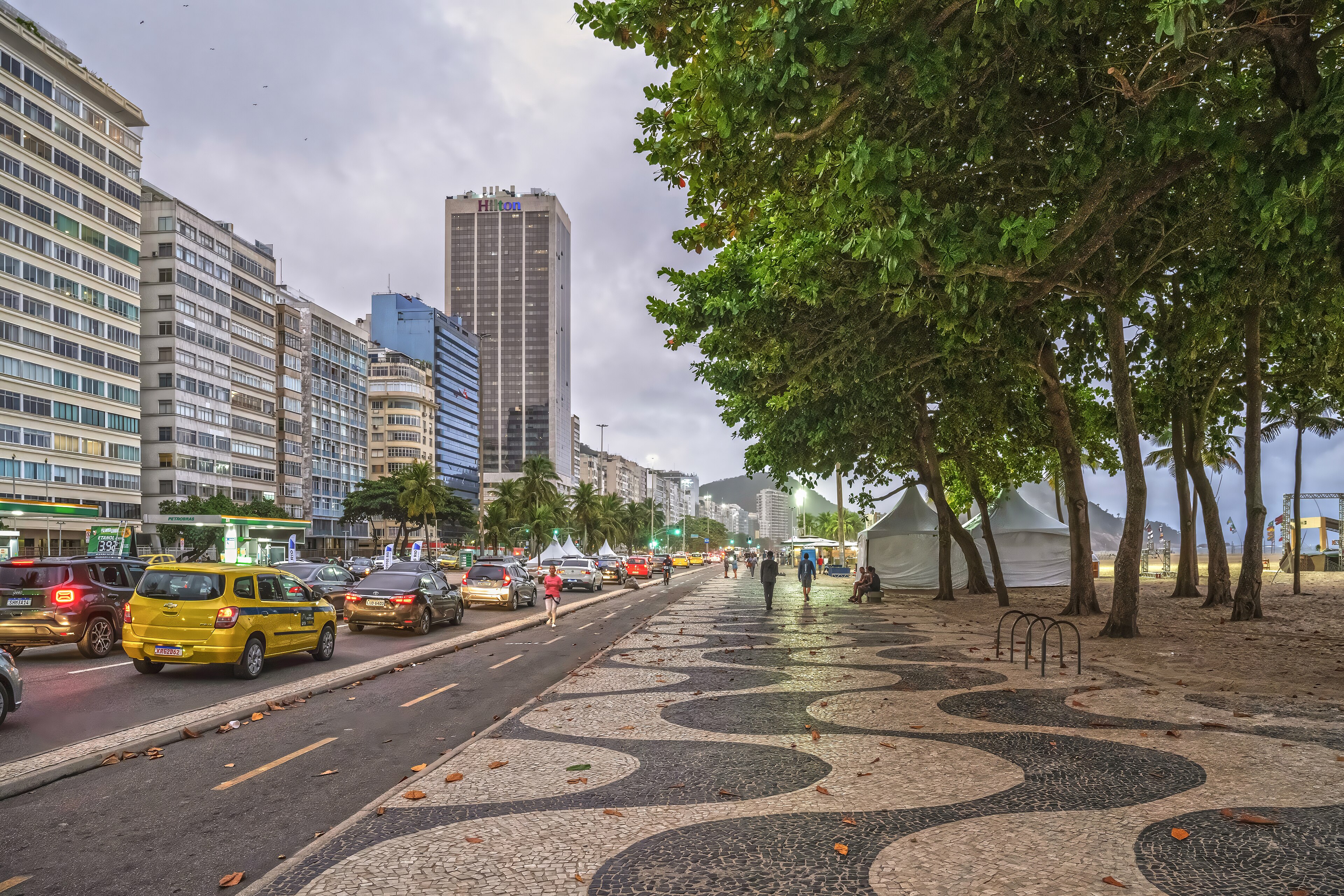
The orange bikes you see in racks all over the south zone are a collaboration between the largest private bank in Brazil, the operator Tembici and the Rio municipality. The system is called Bike Itaú, and everything runs through the app of the same name, so download Bike Itaú and register before you go looking for a rack. The registration is simple, and you will need internet access on the street in order to release and return the bikes, so sort out a local SIM or an eSIM first.
There are several plans. A single ride works out at under R$10 and covers a short trip, with extra minutes charged on top, which is fine if you only want to hop between two beaches. For a day like the one described in this article, where you will be releasing and returning the bikes again and again, the leisure pass that covers a couple of days of unlimited trips is much better value, and it comes to roughly the price of two or three single rides. There are monthly and annual plans as well, and electric bikes in the system that cost extra per minute. Prices are adjusted from time to time and there are frequent promotions, so open the app and look at the current plans rather than trusting any number you read online, including this one. Either way, it is still far cheaper than renting from a bike shop.
The Copacabana Fort
At the end of Copacabana beach, toward Ipanema, sits the Forte de Copacabana. Ride along the beach and you will get there. It is not a colonial fort, even though everybody assumes it is: construction began in 1908 and it was inaugurated in 1914, at which point it was considered the most modern military position in South America, with walls 12 metres thick and German Krupp artillery. Its famous moment came in 1922, when eighteen officers and soldiers launched a revolt from inside it that failed but went into every Brazilian history book. Next to the fort there is a fish market that opens every day at 6 in the morning, so if anyone wants fresh fish this is the place.
Entrance to the fort is cheap, around R$10 for a full ticket with a reduced rate for students, teachers, visitors over 60 and people with disabilities, and free for children, soldiers and licensed guides. Bring cash, because the ticket window does not take cards. On Tuesdays entry is free. It is open Tuesday to Sunday from 10:00, with the last entry roughly an hour before closing in the early evening, and it is closed on Mondays. Inside there is the army history museum and a very special view back along the whole curve of Copacabana. If you are in doubt whether it interests you, take a look at the Google photos of the place first.
Inside the fort there is a branch of Confeitaria Colombo, the oldest and grandest patisserie in the city, with pastries at a European level and a terrace right over the water. The visit takes you back about a hundred years and the setting alone is worth the ticket. There is a second cafe there as well, and both serve breakfast. And if none of this appeals to you, you can simply ride straight on to Posto 9.
Posto 9
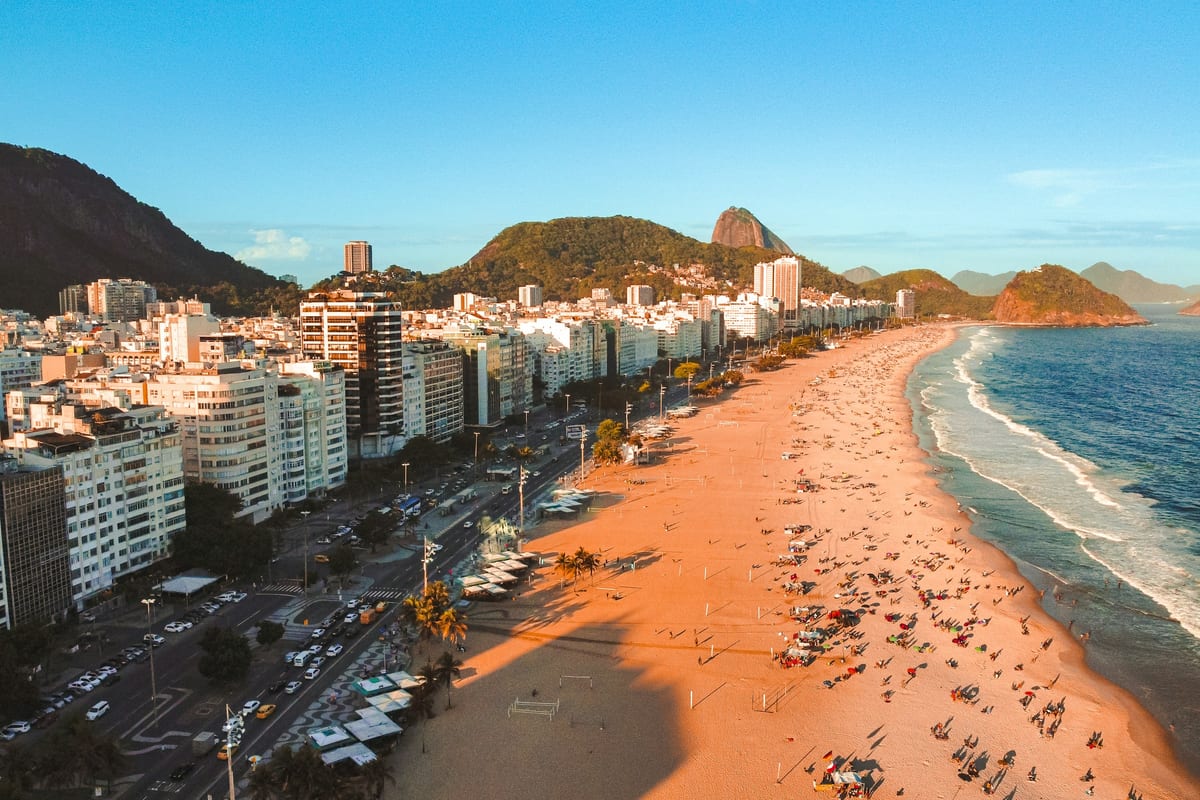
On Rio's beaches there are several sections known as the area of a particular group of people: an area for families, for people playing paddleball or other beach games, an area for babies, and there is the famous Posto Nove, the most famous of all, for the beautiful people who come to see and be seen. Most of the famous photos of the gorgeous women from TV and such were taken there. If you are there on Saturday or Sunday the place is packed, and midweek there are plenty of people too. In the Brazilian summer, from December to March, it is heaving every single day, because the students are on holiday and the city is full of visitors. From here cut through Rua Vinicius de Moraes straight to the Rio lagoon.

The Rio Lagoon (Rodrigo de Freitas)
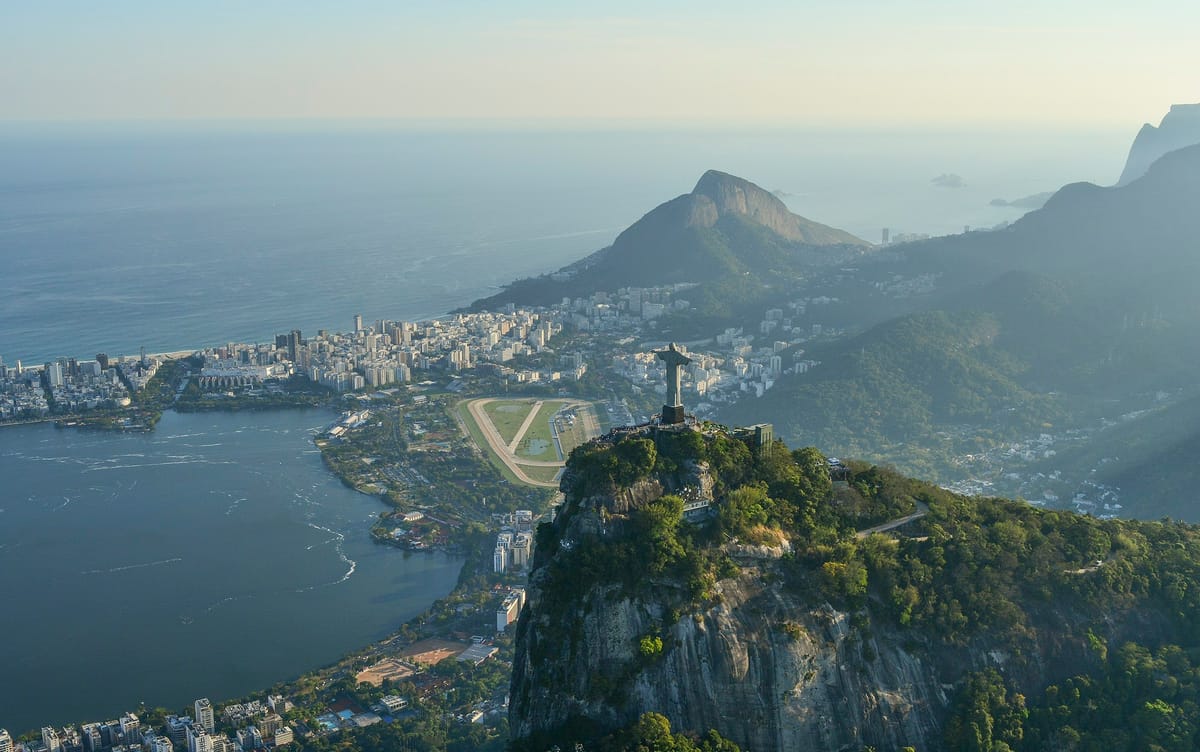
The Rio lagoon is considered a neighborhood in its own right on the map, even though 90 percent of it is the lagoon itself. It is one of the most prestigious areas in Rio. Living in an apartment on the waterline of the lagoon costs as much as living on the beach in Ipanema or Copacabana. At the lagoon I suggest you ride to the left. You can do the loop from the right, but on the left side there is more to see. On the way you will pass lots of sports facilities, courts, skate areas and pedal boats, the Flamengo sports club, country clubs and high-society clubs. There are also training points for professional kayak rowers. The lagoon hosted the Olympic kayak and sailing competitions. Each of you can do whatever interests you along the way, whatever is fun for you.
The Botanical Garden
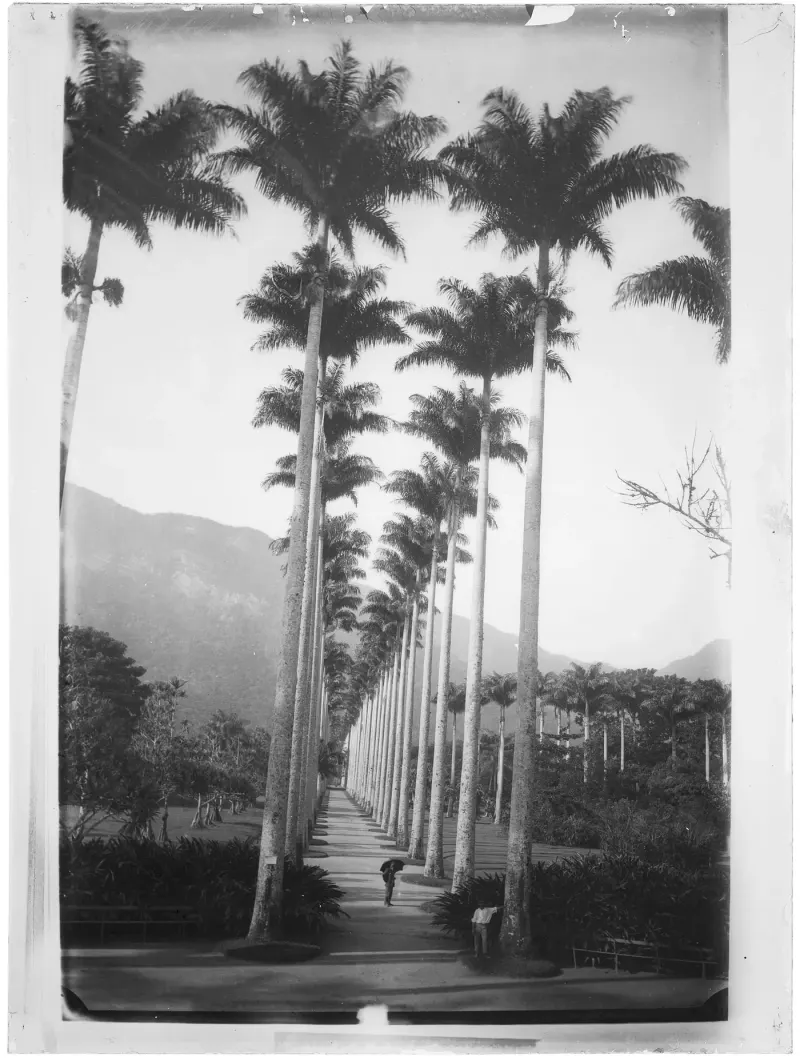
The next stop is the Botanical Garden. If you want to get to know another stunning park, on the same street there is Parque Lage. If you are going up to the forest and want to see both parks, visit Parque Lage first, because the entrance to the forest is closer to the Botanical Garden. The Botanical Garden, more than 200 years old, was copied from the gardens of Lisbon of King John VI and planted by order of his son, King Pedro I. A park enormous in size and impressive in its upkeep. An opportunity to see many types of plants, and there are also many animals living freely in the park, mainly monkeys, squirrels and various birds.
One thing has changed a lot since this article was first written: the ticket. The garden now charges a separate visitor rate for foreign passport holders, currently R$80, against R$40 for residents of Brazil, with reduced rates for students, visitors over 60 and people with disabilities, and free entry for small children. Buy online in advance at the garden's ticketing site, because the physical ticket office is cash only. Opening hours are 8:00 to 17:00 most days, with a late start at 11:00 on Wednesdays. Because these figures are revised every year or two, check the official site on the morning you plan to go.
Parque Lage
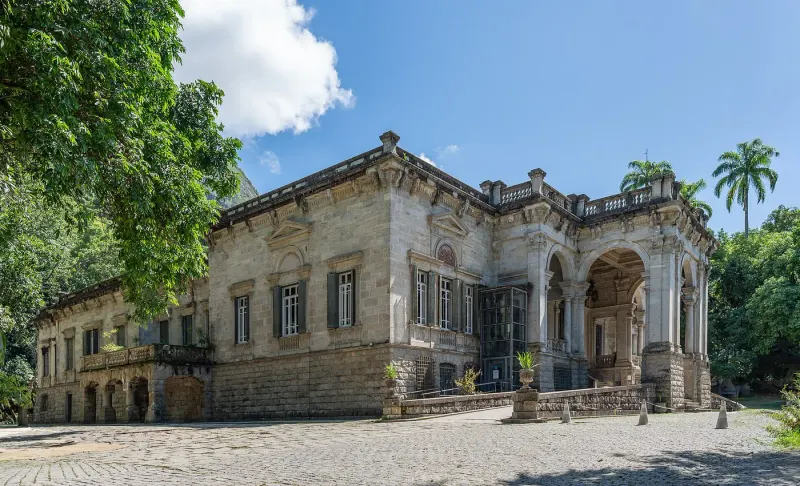
Parque Lage lies at the foot of Corcovado and the Tijuca forest. It is one of the oldest, largest and most beautiful public parks of Rio de Janeiro. The grounds are full of stunning gardens, fruit and animals. It is an estate from the beginning of the century that belonged to a baron and today serves as the school of visual arts. For those who love nature and beauty, it is highly recommended.
The best part: entry is completely free, every day, and the gardens open from 8:00 to 17:00. The mansion itself, with the famous courtyard and the swimming pool framed by Corcovado behind it, has been undergoing a full restoration, so check before you go whether the building is open or only the grounds. The gardens have stayed open throughout the works. This is also where the trail up into the Tijuca forest towards Corcovado begins, so if you have energy left, this is your starting point.